


SEO excerpt: Anthropic has begun billing Claude subscriptions in Indian rupees, reducing foreign-currency friction in its second-largest market while leaving API economics and UPI support unchanged.
NEW DELHI, July 14, 2026, 6:12 p.m. IST — Anthropic has started offering rupee-denominated pricing for paid Claude subscriptions in India, a market that the company says generates more Claude consumer usage than any country except the United States.
The rollout covers Claude Pro, Max and Team subscriptions on the web and mobile apps, according to reports from TechCrunch, The Economic Times and Business Standard. Claude Pro is listed at about ₹2,000 a month when billed annually, while the entry Max plan starts at ₹11,999 a month and Team starts at roughly ₹2,399 per seat per month. Listed prices include local taxes, although exact totals can vary by billing cycle and app-store channel.
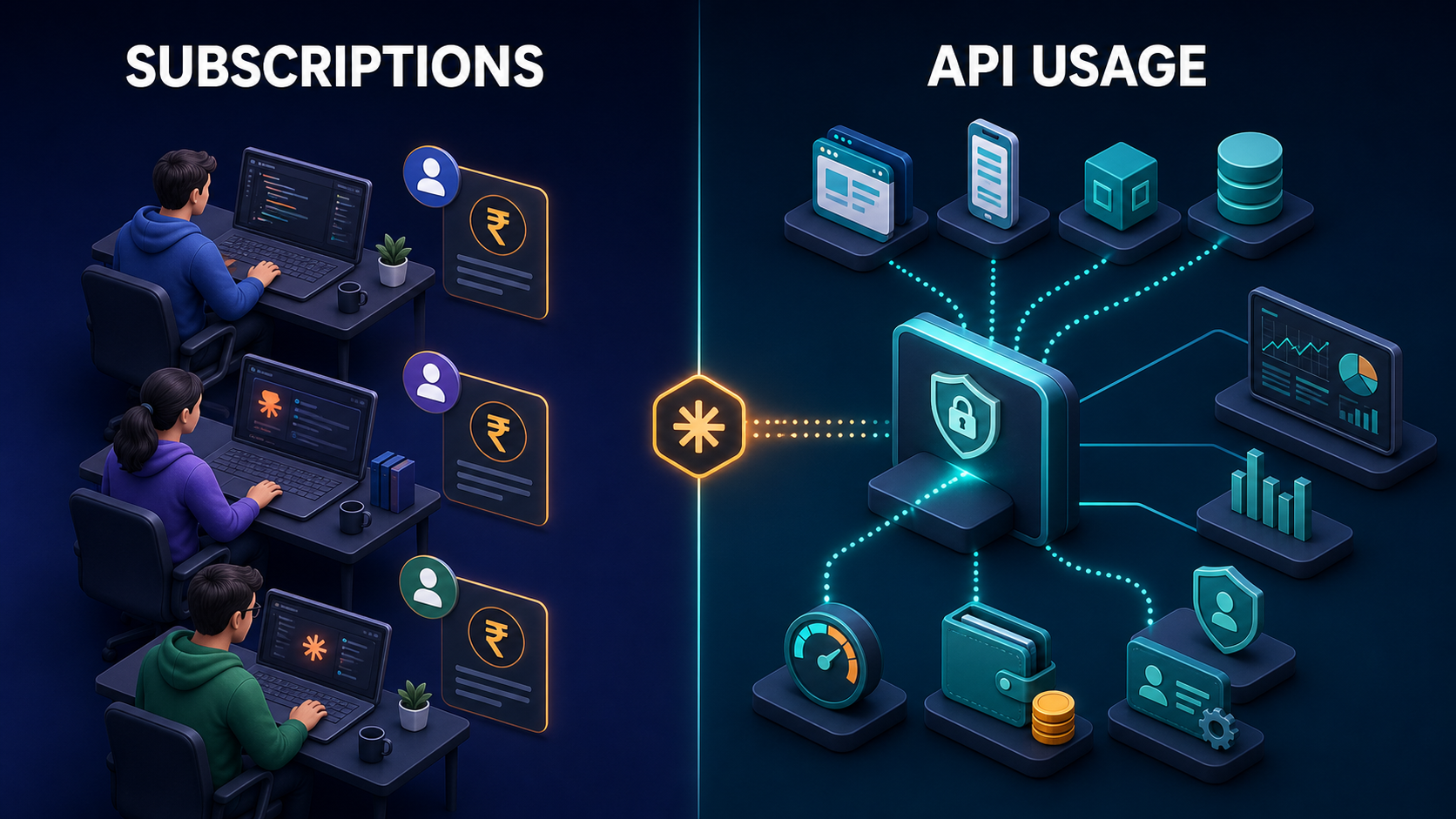
The change matters for Indian developers and technology teams because it removes currency conversion from the purchase of Claude’s user-facing and coding products. It does not, however, amount to a broad cut in the cost of building with Anthropic’s models. API usage remains a separate, consumption-based product, and the company has not announced India-specific API token prices.
What Anthropic has changed
Indian customers are beginning to see local prices for the free, Pro, Max and Team tiers, with the free plan unchanged. The web price reported for Pro is ₹2,399 on monthly billing or about ₹2,000 per month on an annual commitment. Max, intended for heavier usage, starts at ₹11,999 per month. Team pricing starts near ₹2,399 per user per month.
These are subscription plans for people using Claude’s applications and associated tools, including Claude Code where plan entitlements allow it. They should not be confused with Anthropic’s API, where developers pay according to the model and token volume. A platform team evaluating production inference should therefore keep subscription seats and API consumption in separate budget lines.
Payments are currently supported by card or through Apple and Google billing, the reports said. Unified Payments Interface support has not been added. That means the rollout reduces exchange-rate and foreign-currency friction but does not yet use the payment rail many Indian individuals and small businesses rely on most.
Why India is central to the move
Anthropic’s February India country brief found that India accounted for 5.8% of global Claude.ai consumer use in a November 2025 sample, second only to the United States. The company also found that nearly half of Claude use in India involved application development, system modernization and shipping production software.
Those figures are company research rather than independent market-share measurements, and they cover Claude.ai usage rather than the entire AI market. Even so, they help explain why localized billing is strategically important: India is already a large source of technically intensive demand, but paid conversion can be constrained by pricing, taxes and payment methods.
Anthropic has expanded its local presence in parallel. It opened a Bengaluru office, appointed former Microsoft India managing director Irina Ghose to lead its India business, and announced enterprise collaborations with Infosys and Tata Consultancy Services. Rupee pricing turns that market investment into a more direct purchasing option for individuals and teams.
What developer and platform teams should do
Engineering managers should first decide whether a seat or an API account matches the workload. A Claude subscription can suit interactive coding, research and document work performed by a named user. An application that serves customers, runs unattended jobs or needs centralized quotas belongs on the API with explicit keys, service identities and usage controls.
Teams should also compare the effective annual cost, not just the monthly headline. The annual Pro price requires a longer commitment, mobile-app prices may differ, and tax treatment can affect the amount a business records. Procurement owners should capture the billing channel, renewal term and invoice entity before approving a rollout.
For Claude Code, administrators should define which repositories and environments the tool may access, how secrets are excluded, and when human review is required. Local currency simplifies payment; it does not change the security boundary created when an AI coding tool can read source code or propose commands. GravityDevOps readers can use the site’s guides to prompt engineering for developers and LLMOps when designing evaluation and operating controls.
Localization is useful, but incomplete
The rollout is a practical improvement rather than a price breakthrough. TechCrunch calculated that some India tiers are higher than comparable U.S. list prices after conversion, although the Indian amounts include local taxes. Without UPI, the service still excludes a convenient payment option for part of the market.
It is also too early to know whether rupee billing will materially increase paid adoption or expand to API invoices. Anthropic has not published a rollout schedule, a country-specific service-level change or a new enterprise data policy alongside the pricing update.
For technical decision-makers, the immediate takeaway is narrow but useful: Claude seats are now easier to budget in India, but production AI economics remain governed by token consumption, model choice, caching, request volume and operational controls. Subscription localization removes one procurement obstacle; it does not replace an architecture and cost review.
Sources
This report draws on TechCrunch’s report on the India pricing rollout, The Economic Times’ India pricing report, Business Standard’s coverage, and Anthropic’s India country brief. Product prices and availability can change, so buyers should confirm the checkout page before committing.


