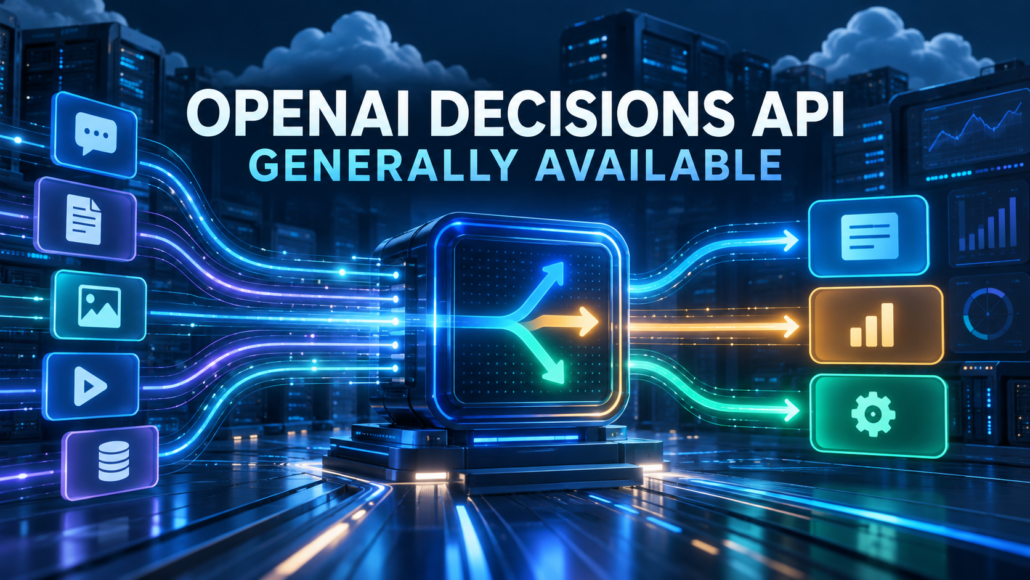
OpenAI’s Decisions API is now generally available for low-latency agent routing, classification and risk scoring. Here is what developers and platform teams should validate before putting it in a production control path.
Compare Claude Code vs GitHub Copilot by workflow, permissions, pricing, privacy and team controls to choose the right AI coding tool for real development.
Amazon’s TorchNeuron brings eager execution, torch.compile and standard distributed PyTorch APIs to Trainium, lowering migration friction while leaving production validation firmly in developers’ hands.
Reflection AI has released Beam's Apache-2.0 model weights for coding agents, giving platform teams new self-hosting options alongside substantial infrastructure and safety responsibilities.
Anthropic has embedded six METR evaluators with employee-like access to its AI safety systems, creating a closely watched test of independent model oversight.