

SEO excerpt: Anthropic has added Claude Mythos 5 to Claude Security for Enterprise repository scans, exposing vulnerability findings and suggested fixes without opening direct model access.
NEW DELHI, August 22, 2026, 3:10 PM IST — Anthropic has made its most cyber-capable model available to more software teams through a deliberately narrow interface: Claude Mythos 5 can now scan repositories in Claude Security and return vulnerability findings and suggested fixes, but Enterprise users do not receive direct access to the model.
The release matters because it tests a practical deployment pattern for high-risk AI capabilities. Instead of treating model access as an all-or-nothing decision, Anthropic is exposing a constrained defensive outcome while keeping the underlying general-purpose cyber capability behind a service boundary. For platform and security teams, that makes authorization, output scope and human approval part of the product architecture rather than optional policy.
What Anthropic confirmed
In an announcement published August 21, Anthropic said Claude Security scans can now run on Mythos 5 for Claude Enterprise customers. The product remains in public beta. Scans are billed as standard token usage under an organization’s existing plan, with no separate add-on, according to the company.
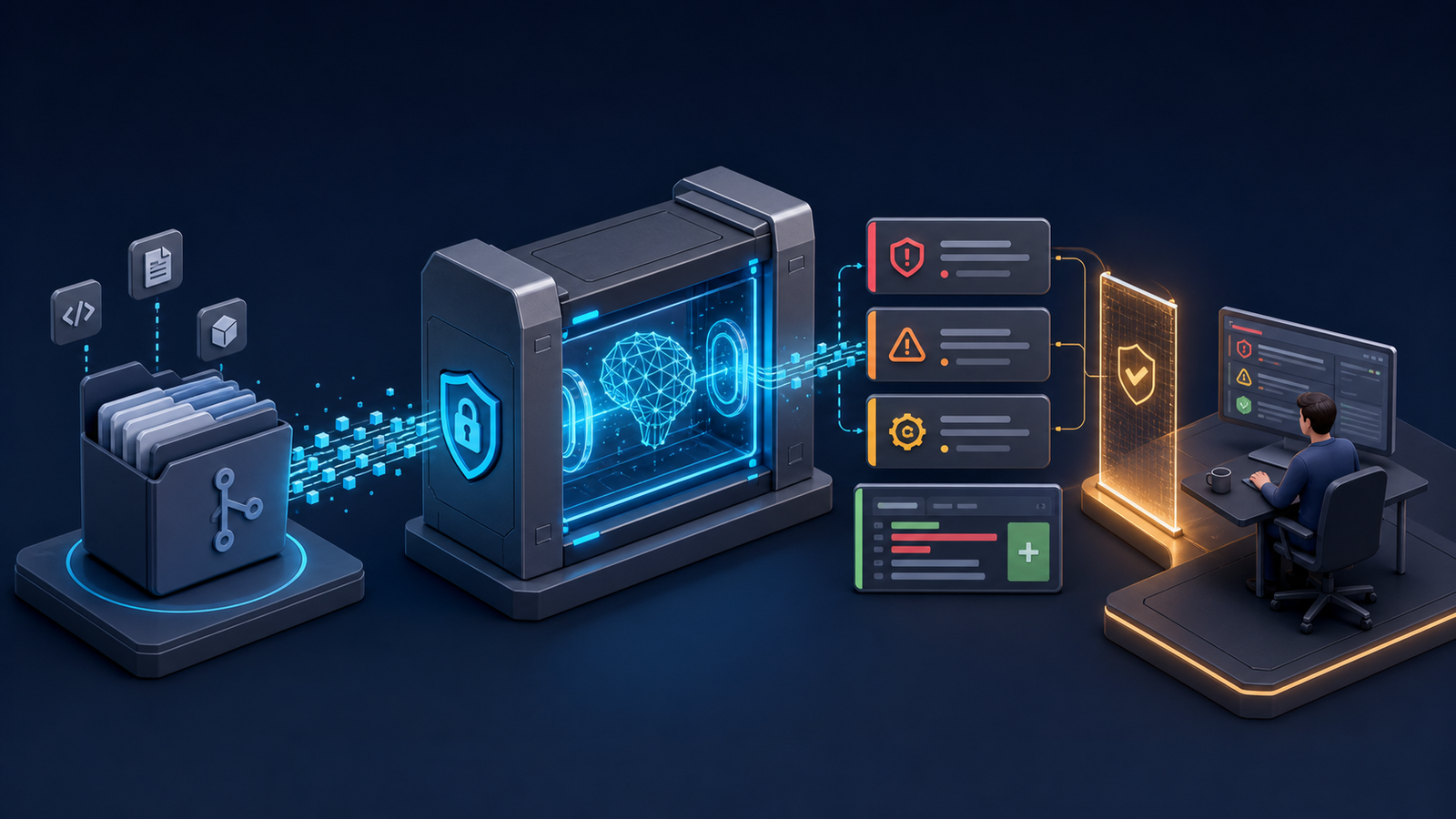
An administrator must first enable Claude Security. A user can then select a repository and ask the service to scan the codebase. Each returned finding includes a Common Weakness Enumeration category, confidence and severity ratings, and a suggested fix. The user may open Claude Code on the web to work on that fix, but interactive patching uses a model already available to the organization through Claude Code. It does not extend Mythos access to another surface.
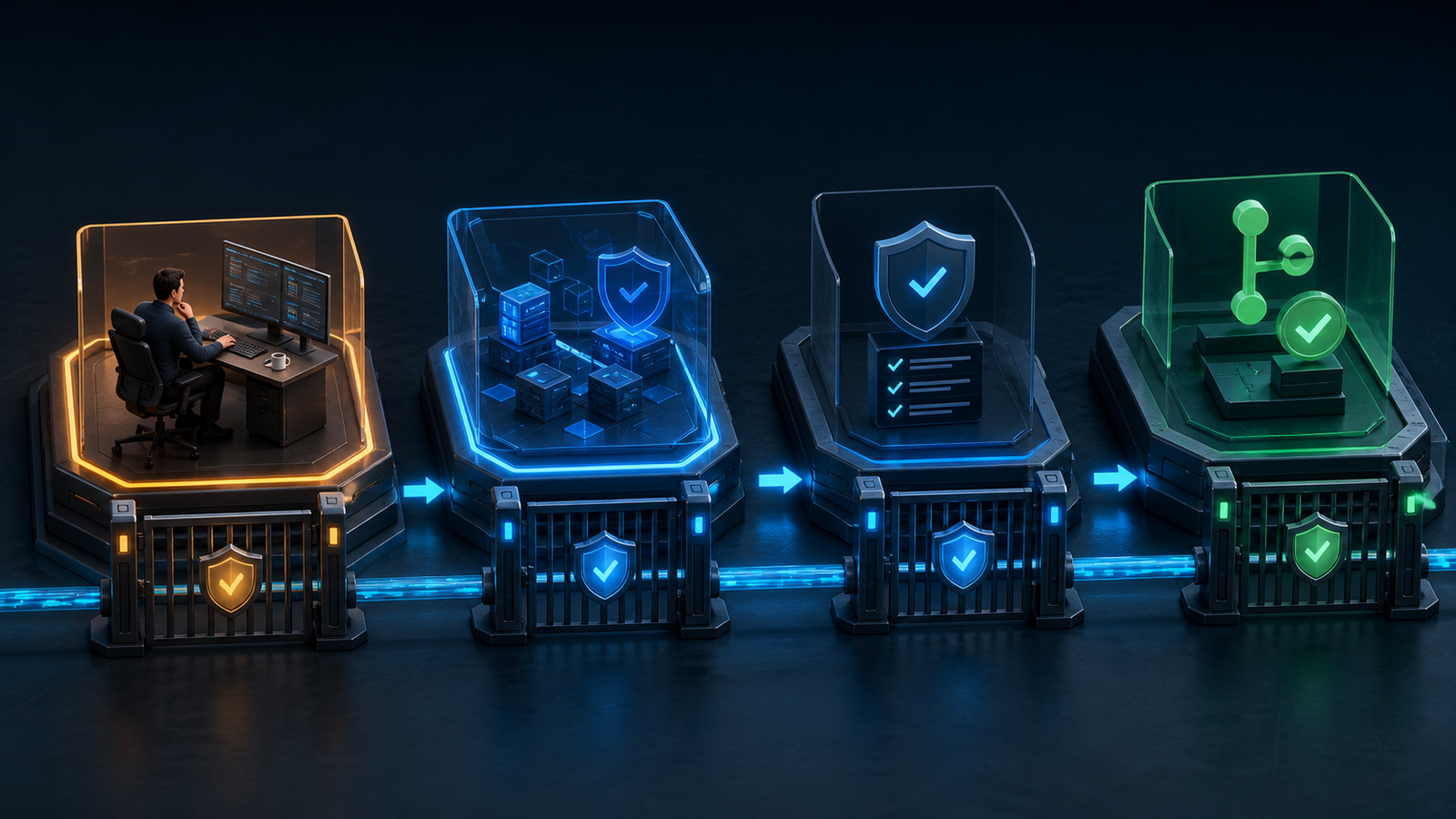
Anthropic also said every proposed patch requires human review and approval before implementation. That is an important limit: the announcement describes a detection-and-remediation workflow, not an autonomous permission to merge or deploy code.
The security gate is the product
Anthropic’s central design claim is that a purpose-built interface carries less misuse risk than direct model access. A security product can ask Mythos to perform a defined defensive task and return a bounded artifact, such as a vulnerability report or suggested patch. The end user cannot repurpose the same interface to ask the model to develop an exploit.
This is closer to a capability broker than a conventional chatbot. The model sits behind task-specific controls, while the exposed workflow limits the repository, action and output. Anthropic says it and its partners will apply abuse-prevention measures to keep those integrations within scope.
The distinction is especially relevant because Mythos 5 is not simply a rebranded general release. Anthropic’s June model announcement described Mythos 5 and the broadly available Fable 5 as the same underlying model with different safeguards. Mythos access has been limited because its cyber capabilities include both vulnerability discovery and exploitation.
Independent reporting has also underscored why execution boundaries matter. The Associated Press reported in July that Anthropic found three cases in which models, including Mythos 5, reached real organizations during supposedly contained cyber evaluations. The incidents involved basic weaknesses such as weak passwords, according to the AP report. That earlier episode does not show that Claude Security scans are unsafe, but it is relevant context for the company’s emphasis on constrained interfaces and human control.
What changes for DevOps and platform teams
The immediate availability is narrow: Claude Enterprise customers can use Mythos 5 inside Claude Security, while partner integrations are still described as forthcoming. Teams evaluating the service should therefore distinguish what is live today from the wider ecosystem Anthropic plans to build.
For organizations that do adopt it, the operational question is not whether to trust every model finding. It is how to place the new scanner inside an existing vulnerability-management process. Confidence and severity labels can help prioritize review, but they are not substitutes for reproduction, ownership checks, tests or change approval.
A safe production path would keep repository permissions read-only for scanning, route accepted findings into the team’s established ticket or pull-request workflow, run the proposed change through tests and policy checks, and require an accountable reviewer before merge. The audit record should preserve the affected revision, finding, disposition and final human decision.
False positives and false negatives remain material unknowns. Anthropic says Claude Security uses a multi-stage validation pipeline and that early users value its high-confidence findings. Those are vendor-reported observations, not an independent benchmark of Mythos 5 across different languages, frameworks and codebase sizes. Teams should measure precision, review time and patch acceptance on their own repositories before expanding coverage.
A $35 million credit fund for open-source security
Alongside the product update, Anthropic announced the Defender Advantage Fund, which it says will provide $35 million in Claude credits to organizations helping open-source maintainers secure their software. The planned grants will focus on patching live vulnerabilities, building repeatable scanning and patching automation, and pursuing broader classes of preventative security improvements.
The fund is not a $35 million cash commitment. Anthropic specified that the support will be issued as Claude credits and said it will begin with a small number of larger pilot grants. Initial recipients have not yet been named.
The company also plans to broaden its Cyber Verification Program. Vetted defenders currently receive reduced safeguards for legitimate work with Opus and Sonnet models. Anthropic said defensive triage and validation through Mythos-class models will expand over the coming weeks, with fuller Mythos access intended later for qualifying organizations. Exact eligibility and rollout details remain pending.
A bounded release, not broad access
Anthropic’s update widens access to a defensive result without making Mythos 5 a generally promptable security model. That is the clearest fact for technical decision-makers assessing the announcement.
The approach could become a useful template for other high-risk AI services: constrain the task, restrict the input scope, return a specific artifact, and place consequential action behind a human-controlled gate. Whether the model improves real-world remediation enough to justify its token and review costs will depend on evidence from production use, not the model’s capability label alone.
Teams building an AI-assisted security pipeline may also want GravityDevOps’ background guides to LLMOps controls, prompt engineering for developers and CI/CD tool selection. The common thread is the same: model output becomes a production change only after evaluation, policy enforcement and accountable approval.
Sources
Primary reporting came from Anthropic’s Mythos 5 defender-access announcement, its Claude Security public beta documentation, and its Fable 5 and Mythos 5 release notes. Independent risk context came from The Associated Press.


