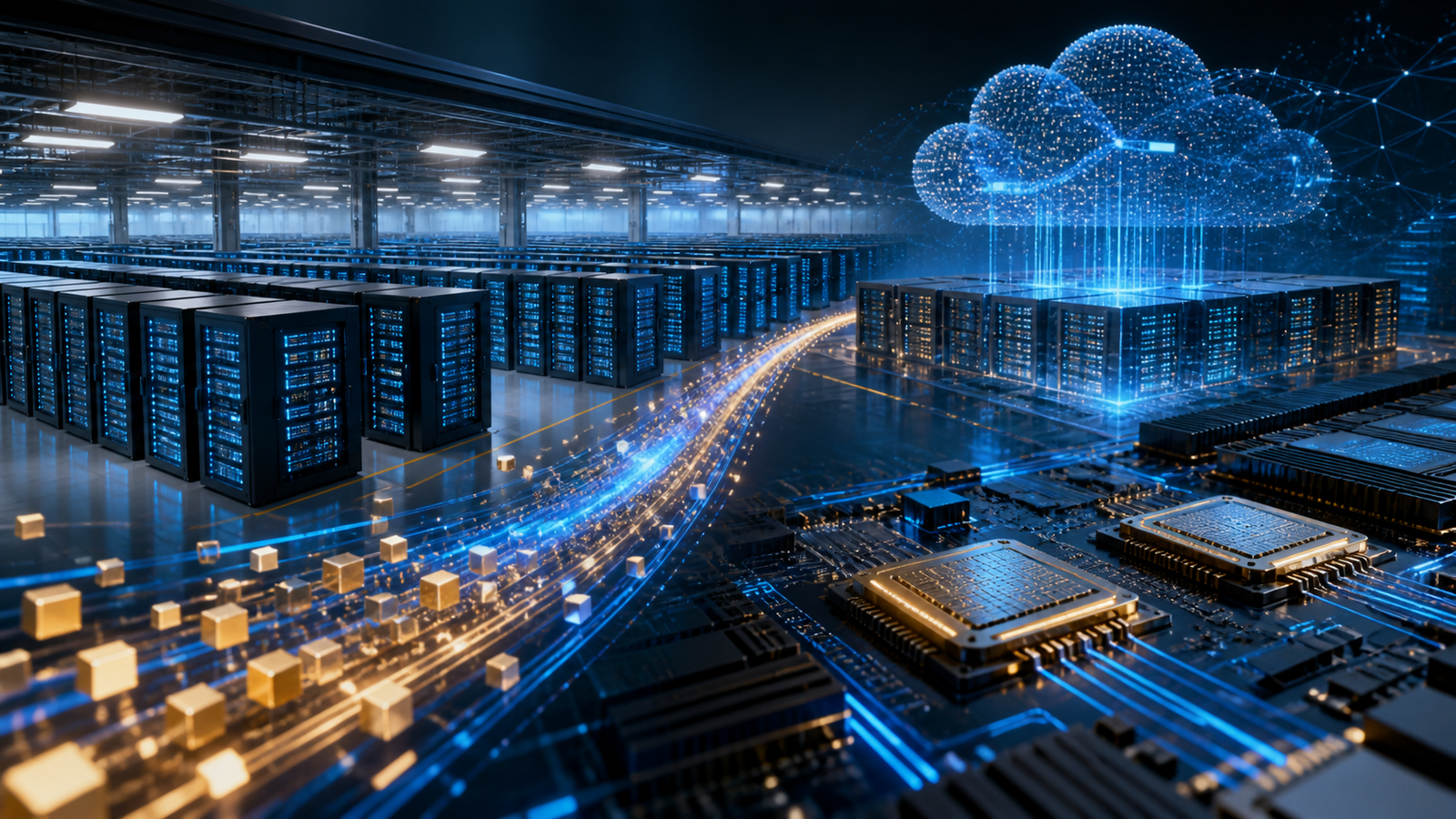

Alibaba has priced a HK$80 billion share placement and says all net proceeds will go to full-stack AI and infrastructure, putting cloud capacity, proprietary chips and Qwen services at the center of its next investment cycle.
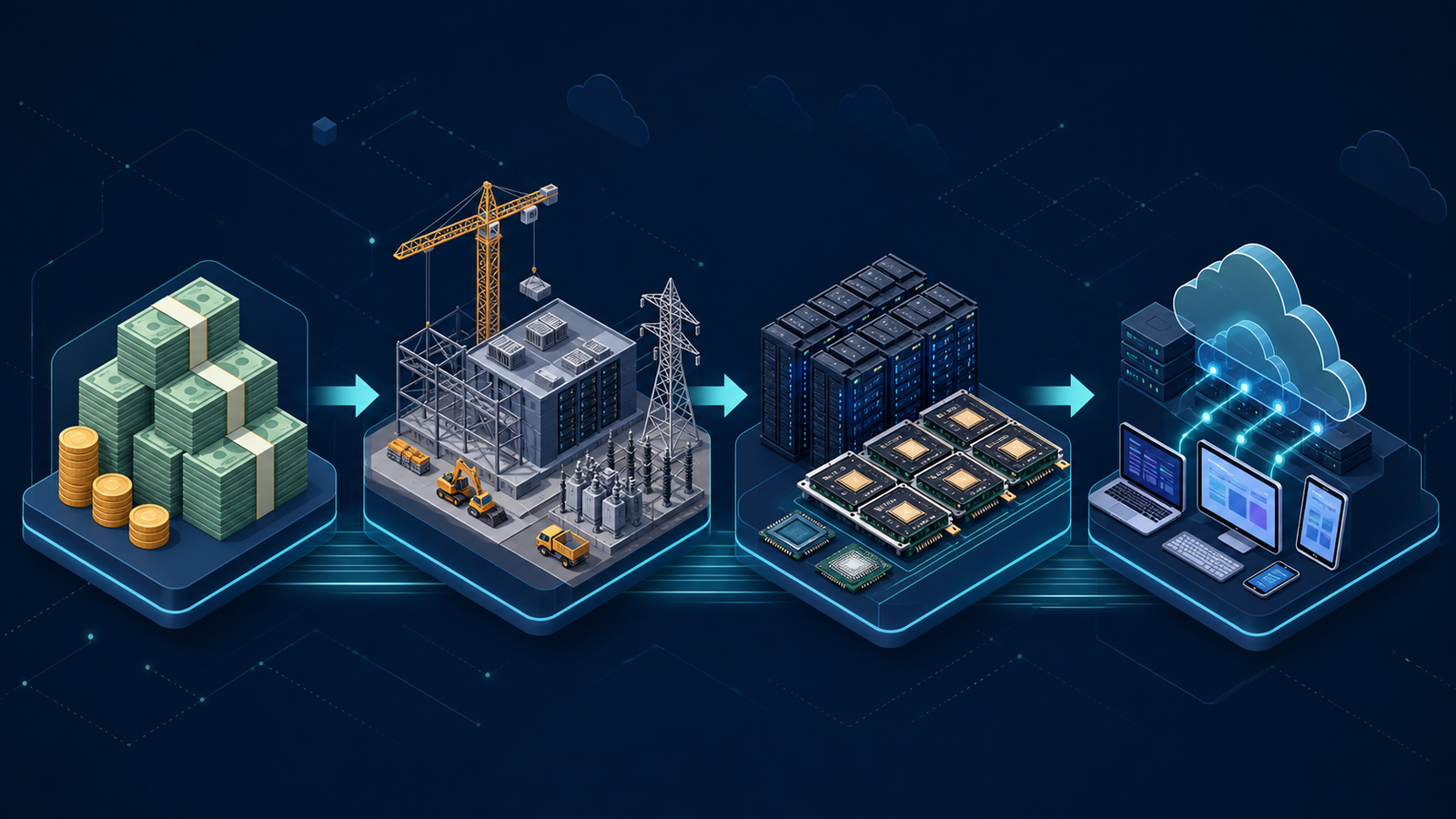
NEW DELHI, August 24, 2026, 6:00 PM IST — Alibaba Group has priced a HK$80 billion share placement, worth about US$10.2 billion, and said it intends to direct all net proceeds into full-stack artificial intelligence capabilities, including an expansion of AI infrastructure.
The financing turns Alibaba’s AI strategy into an immediate capacity commitment rather than another model announcement. For developers and cloud teams, the important question is not whether the company can publish another Qwen release. It is how quickly new capital becomes usable compute, model-serving capacity, developer services and reliable regional infrastructure—and whether that supply changes the cost or availability of running AI workloads on Alibaba Cloud.
What Alibaba confirmed
Alibaba said it will place 710 million newly issued ordinary shares with non-US investors at HK$112.70 per share. The transaction is expected to close on August 26, subject to customary conditions. The company’s announcement describes the use of proceeds broadly: 100% of net proceeds are intended for full-stack AI investment, including expanding and improving AI infrastructure.
The Hong Kong Exchanges and Clearing disclosure index lists both the proposed placement and the pricing announcement. Alibaba’s own statement also cautions that completion remains subject to closing conditions, so the planned investment should not be reported as cash already deployed.
Reuters reported that the placing price was an 8.4% discount to Alibaba’s previous Hong Kong close and that the shares were down 9.1% in afternoon trading. That reaction highlights the trade-off: the transaction provides a large pool of equity capital for AI expansion, but existing shareholders absorb dilution and still carry execution risk.
Why the infrastructure angle matters now
The placement follows a quarter in which Alibaba’s spending and cloud growth both accelerated. The company reported US$7.1 billion in AI Cloud and Compute Services revenue, up 45% year over year, while capital expenditure approached US$10 billion, up 75%. It also said AI-related product revenue reached US$1.8 billion and recorded triple-digit year-over-year growth for a twelfth consecutive quarter.
The Associated Press independently reported that Alibaba’s quarterly profit fell 75% as infrastructure spending rose, while cloud and compute revenue increased. AP said the company attributed higher spending partly to more CPU capacity for anticipated agent adoption and higher component prices. Those results give the placement a clearer context: demand is growing, but supplying it is capital-intensive and is already pressuring near-term earnings.
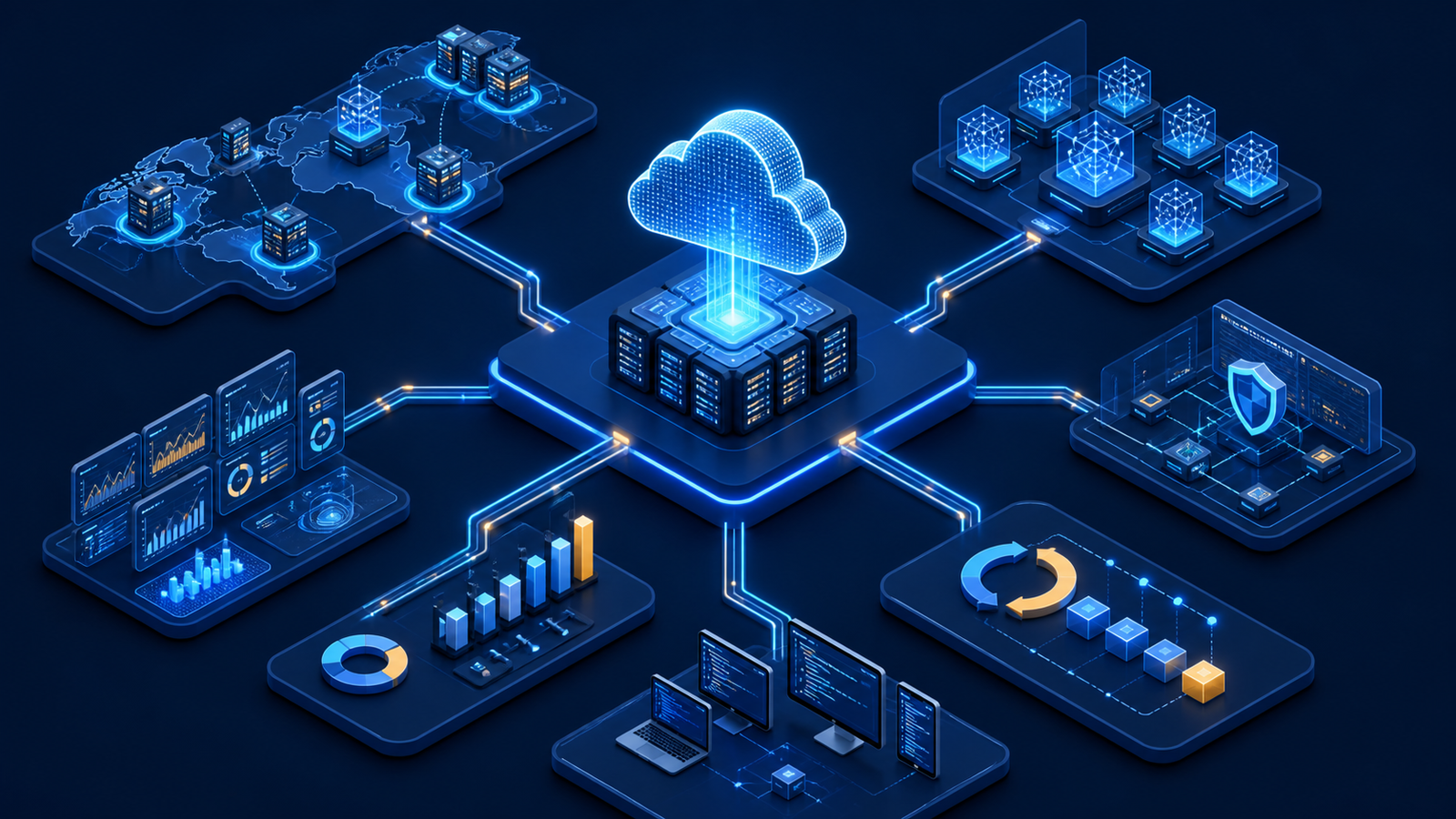
Alibaba operates across more layers than a typical model provider. Its stack includes its Qwen model family, Alibaba Cloud services and T-Head chip development. The company says its Zhenwu M890 processor is already used through its cloud services by more than 650 external customers across more than 20 industries. Those are vendor-reported figures, not independently audited adoption data, but they show where Alibaba believes integration can reduce dependence on third-party accelerators.
Practical impact for developers, DevOps and cloud teams
The near-term effect is likely to appear in capacity and platform operations before it appears as a dramatic new developer experience. More infrastructure can support additional inference supply, model training, managed agent services and regional availability. It can also give Alibaba more room to compete on pricing, although the company has not announced a price cut, new service-level commitment or delivery schedule as part of the placement.
Teams evaluating Qwen or Alibaba Cloud should therefore treat the financing as a directional signal, not a migration trigger. The useful checks remain concrete: model and accelerator availability by region, quota lead times, throughput under sustained load, data residency, private-network support, observability, and the cost of moving prompts, embeddings and agent state between providers.
For self-hosted model users, the announcement does not change the engineering work required to operate open-weight models. Production deployments still need model evaluation, capacity planning, rollback, security controls and cost attribution. GravityDevOps readers comparing that operational layer can use the site’s guides to LLMOps, retrieval-augmented generation and CI/CD tooling as practical context.
A bigger balance-sheet race for AI capacity
Reuters described the sale as the largest follow-on offering of new shares by a Hong Kong-listed company and reported that it attracted US$28 billion of orders. The publication also placed the transaction alongside large capital raises by US technology companies, a sign that AI competition is increasingly shaped by access to capital as well as research performance.
That does not mean spending guarantees technical leadership. Compute must be converted into dependable services, and proprietary hardware must meet software compatibility, utilization and total-cost targets. Cloud customers will ultimately experience the strategy through queue times, regional capacity, pricing stability, failure rates and support—not through the size of the placement itself.
There is also an unresolved supply question. US export controls restrict Chinese access to the most advanced Nvidia accelerators, while domestic chips require mature compilers, kernels and serving software to be useful at scale. Alibaba’s full-stack approach may reduce some dependency, but neither today’s financing announcement nor its quarterly update establishes that proprietary silicon can match every workload served by leading third-party hardware.
What to watch next
The first milestone is completion of the placement, expected on August 26. After that, the most informative signals will be disclosed capital expenditure, new data-center or regional capacity, accelerator availability, Qwen service pricing, and evidence that additional supply improves cloud growth without eroding margins.
Alibaba has confirmed the financing terms and its intended use of proceeds. The inference for technical teams is narrower: the company is preparing for a sustained AI infrastructure build-out, but the operational benefits remain to be demonstrated service by service.


