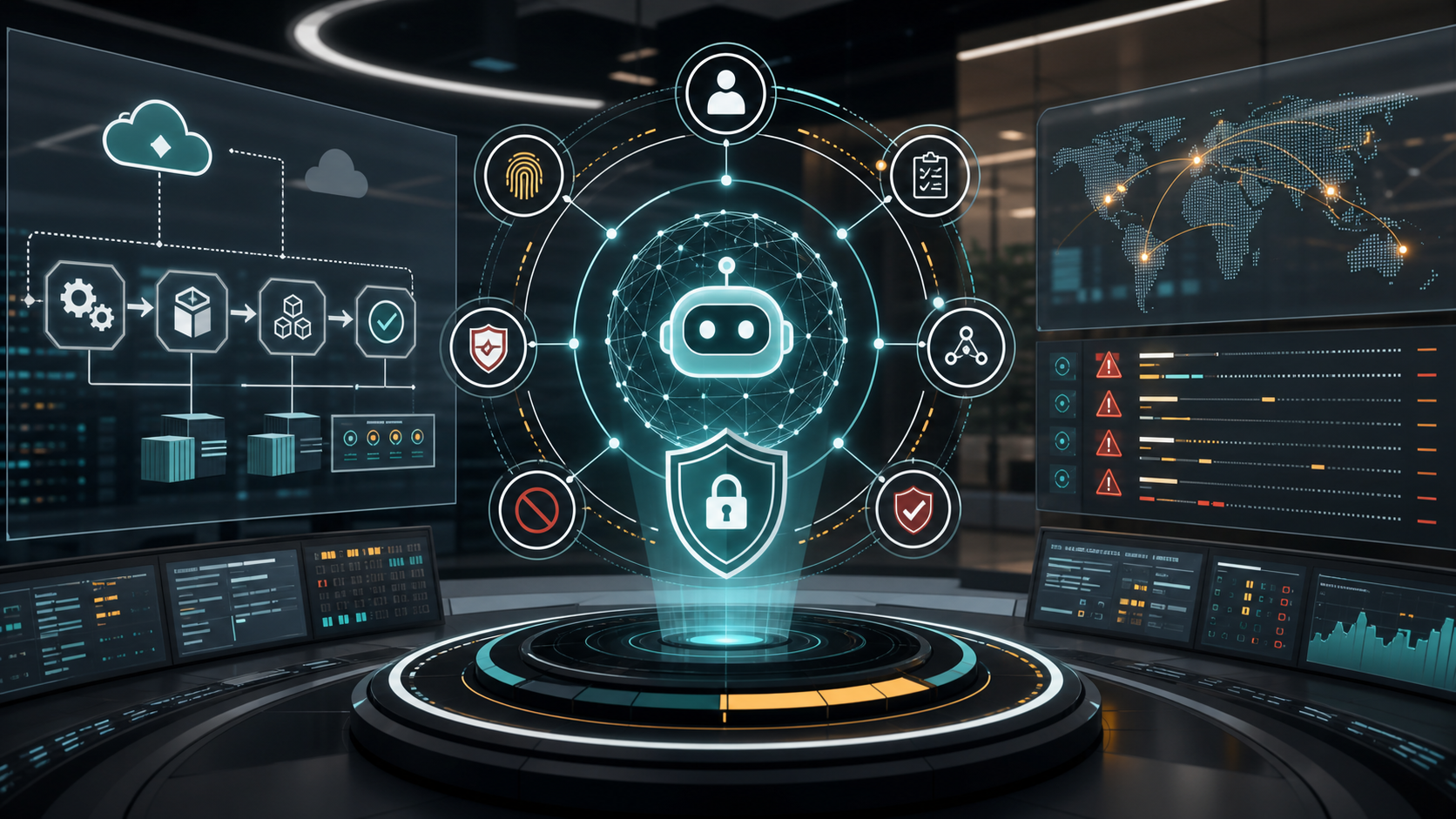

BENGALURU, June 28, 2026, 12:28 p.m. IST – Meta is adding senior AI security talent from Virtue AI to Meta Superintelligence Labs, a move that puts agent security, runtime guardrails and AI governance closer to the center of the frontier-model race.
Axios reported that Meta Superintelligence Labs is hiring Virtue AI co-founders Bo Li, Dawn Song and Sanmi Koyejo, along with other members of the enterprise AI security startup’s team. In first-party LinkedIn posts, Li and Koyejo said members of the Virtue AI team are joining Meta Superintelligence Labs to continue work on AI security, agent security, governance and trust.
The news matters for developers and platform teams because agentic AI is moving from chat windows into systems that call tools, read repositories, open tickets, query databases and trigger workflow steps. Once AI systems can act inside production-adjacent environments, the control plane around those actions becomes as important as the model selection itself.
What is confirmed
- Axios reported on June 25 that Meta is hiring three Virtue AI founders and other team members into its AI organization.
- The reported hires include Bo Li, Dawn Song and Sanmi Koyejo, all researchers associated with AI security, trustworthy AI and model evaluation work.
- Li and Koyejo posted that members of the Virtue AI team are joining Meta Superintelligence Labs, also known as MSL.
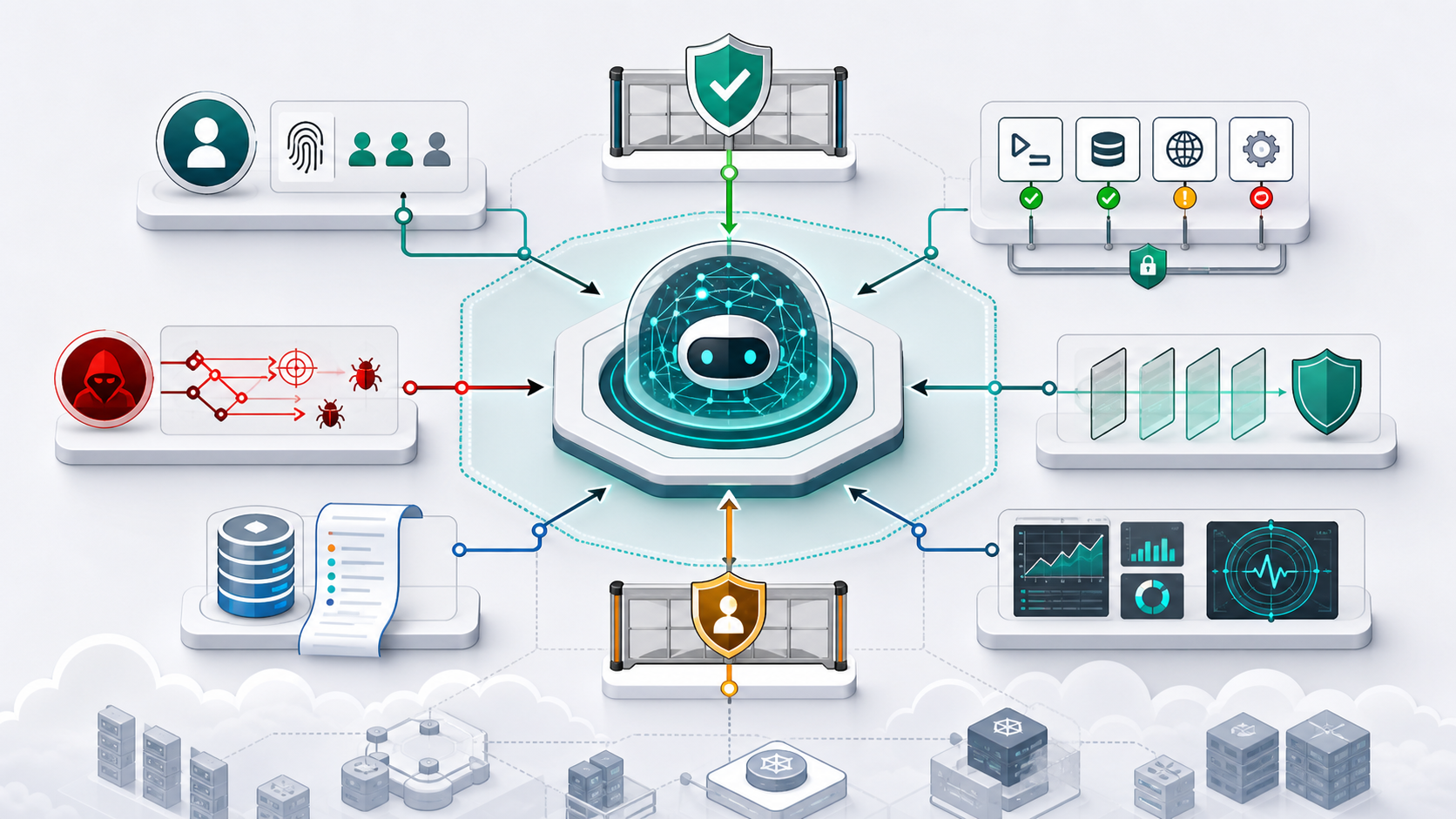
- Virtue AI describes its platform as covering automated red teaming, runtime guardrails, agent security, AI governance, observability, Shadow AI discovery and compliance workflows.
- Financial terms, product integration plans and any impact on Virtue AI’s existing customers were not clearly disclosed in the public materials reviewed for this article.
Meta has not published a detailed technical roadmap for how the Virtue AI team will be used inside MSL. That makes the practical interpretation narrower than the headlines: this is a talent and capability signal, not yet a confirmed product launch.
Why this is happening now
The hiring comes during a tense month for AI cyber capability and agent safety. Anthropic said on June 12 that it had to suspend access to Fable 5 and Mythos 5 after a U.S. government directive tied to national security concerns and a reported jailbreak path. Anthropic disputed the technical basis for a broad recall, but the episode sharpened a problem every major lab now faces: powerful models can help defenders, yet the same tool use and code reasoning can create new abuse paths.
For Meta, which serves AI products at consumer scale and is investing heavily in superintelligence research, the attraction of an AI security team is straightforward. The more capable an agent becomes, the more it needs policy enforcement, sandboxing, red-team evidence and auditability around its actions.
Virtue AI’s public materials map closely to that need. The company describes tooling for agent red teaming, real-time guardrails, malicious tool-call blocking, source-code and MCP tool scanning, runtime trajectory capture and Shadow AI discovery across cloud and endpoint environments.
What developers and DevOps teams should take from it
The immediate takeaway is not that every team should wait for Meta to ship a security product. It is that agent security is becoming a platform responsibility. Teams deploying AI agents should treat the agent runtime like any other privileged automation layer.
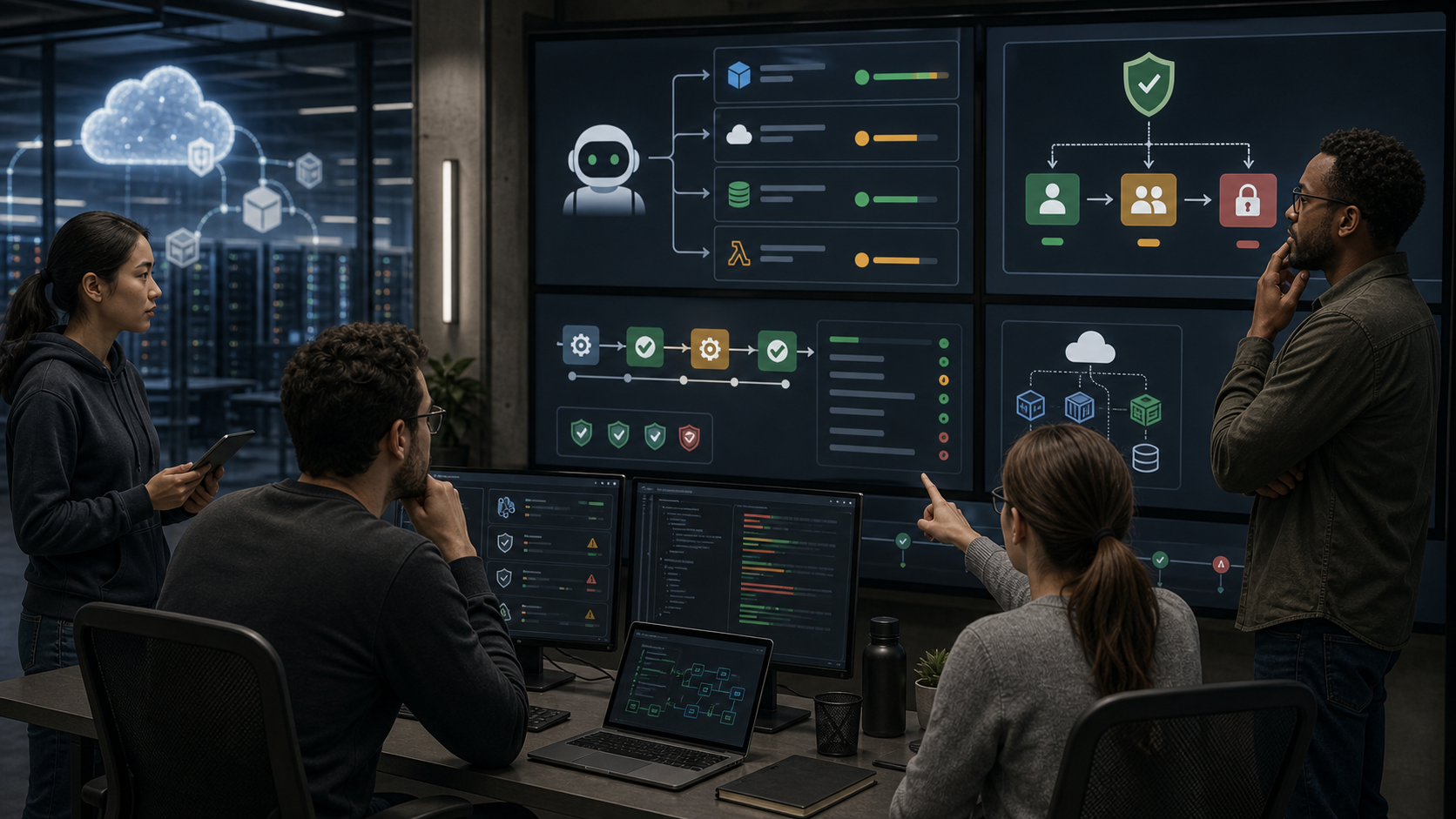
That means inventorying which agents exist, what tools they can call, which identities they use, what data they can reach and which approvals are required before a change touches production. For engineering organizations already thinking about LLMOps, this pushes the operating model beyond model monitoring into action governance.
Practical controls include scoped service accounts, deny-by-default tool permissions, prompt-injection tests, regression suites for unsafe behavior, human approval gates for high-risk changes, tamper-resistant logs and post-incident replay of an agent’s reasoning path and tool calls. Those practices are becoming as relevant to AI-assisted software delivery as CI logs and artifact provenance are to traditional CI/CD.
Technical background
Traditional application security assumes a fairly stable boundary between user input, application logic and privileged system actions. Agentic AI blurs that boundary. A retrieval-augmented assistant might read a ticket, inspect a pull request, query an internal wiki and call an API in the same session. A poisoned document, malicious repository comment or compromised plugin can turn normal context into an instruction that the agent attempts to follow.
That is why the security discussion has shifted from prompt filtering alone to runtime control. Model-level safeguards still matter, but they do not replace policy checks at the tool boundary. Teams using retrieval systems should also harden data pipelines and access patterns, especially where RAG exposes internal documents to an agent that can act on the result.
The same logic applies to developer copilots and autonomous coding agents. Good prompt engineering can reduce ambiguity, but production controls need to assume that prompts, documents and tool responses may contain hostile instructions.
Balanced view
The Meta-Virtue AI move is a notable signal, but it should not be read as proof that agent security is solved. Public reports do not yet show how Meta will measure the effectiveness of new controls, how the team will interact with Meta’s open-model strategy, or whether any technology will be available to outside developers.
The more useful conclusion is operational. AI labs are hiring specialists who know red teaming, runtime protection and governance because agent failures are no longer theoretical edge cases. For platform leaders, the question is no longer whether AI agents can be useful. It is whether the organization can prove what an agent did, restrict what it can do next and recover quickly when behavior drifts.
Sources
This article is based on reporting from Axios, first-party posts from Bo Li and Sanmi Koyejo, Virtue AI’s public platform materials, and Anthropic’s June 12 statement on the Fable 5 and Mythos 5 access suspension.


