
Anthropic’s Claude Sonnet 5 puts agentic coding on a cheaper operating path, but the same news cycle shows why frontier AI access, cyber safeguards and model governance now matter to DevOps teams.
BENGALURU, India, July 1, 2026, 11:17 p.m. IST – Anthropic’s Claude Sonnet 5 release moved into the evening AI cycle with a message aimed squarely at engineering teams: agentic coding is becoming cheaper and more broadly available, but it is arriving alongside stricter scrutiny of model access, cyber safeguards and workload governance.
The company introduced Claude Sonnet 5 on June 30 as its most agentic Sonnet model yet, saying it can plan work, use tools such as browsers and terminals, and run autonomously at a level that previously required larger and more expensive models. For developers, platform teams and cloud leaders, the practical question is no longer whether AI agents can touch delivery workflows. It is how much autonomy they should get, how their costs are controlled, and which safeguards belong around code, terminals, cloud accounts and production pipelines.
That governance question became more visible because Anthropic also said it would redeploy Claude Fable 5 globally from July 1 after the US government lifted export controls on Fable 5 and Mythos 5. Anthropic said new safeguards were tested with the US Department of Commerce’s Center for AI Standards and Innovation, while also warning that stricter classifiers can flag benign coding and debugging requests more often. The Guardian separately reported the export-control reversal and the earlier security concerns around powerful AI models.
What Anthropic Confirmed
Claude Sonnet 5 is now available across Claude plans, including as the default model for Free and Pro users, and is available to Max, Team and Enterprise users. Anthropic said it is also available in Claude Code and on the Claude Platform, with an introductory API price of $2 per million input tokens and $10 per million output tokens through August 31, 2026. The standard price after that period is $3 per million input tokens and $15 per million output tokens.
Anthropic also said it increased rate limits across Chat, Cowork, Claude Code and the Claude Platform to account for the higher token usage of higher-effort settings. Its platform documentation notes that Claude Sonnet 5 has a separate rate-limit bucket from Sonnet 4.x, which matters for teams that run batch jobs, coding agents or evaluation harnesses at scale.
The company framed Sonnet 5 as a cost-performance move rather than only a benchmark story. TechCrunch described the launch as a cheaper way to run agents, while InfoWorld highlighted the coding, reasoning and tool-use improvements. Anthropic’s own safety discussion said Sonnet 5 showed a lower rate of undesirable behaviors than Sonnet 4.6 and a much lower ability to perform cybersecurity tasks than its current Opus models.
Why It Matters For DevOps And Cloud Teams
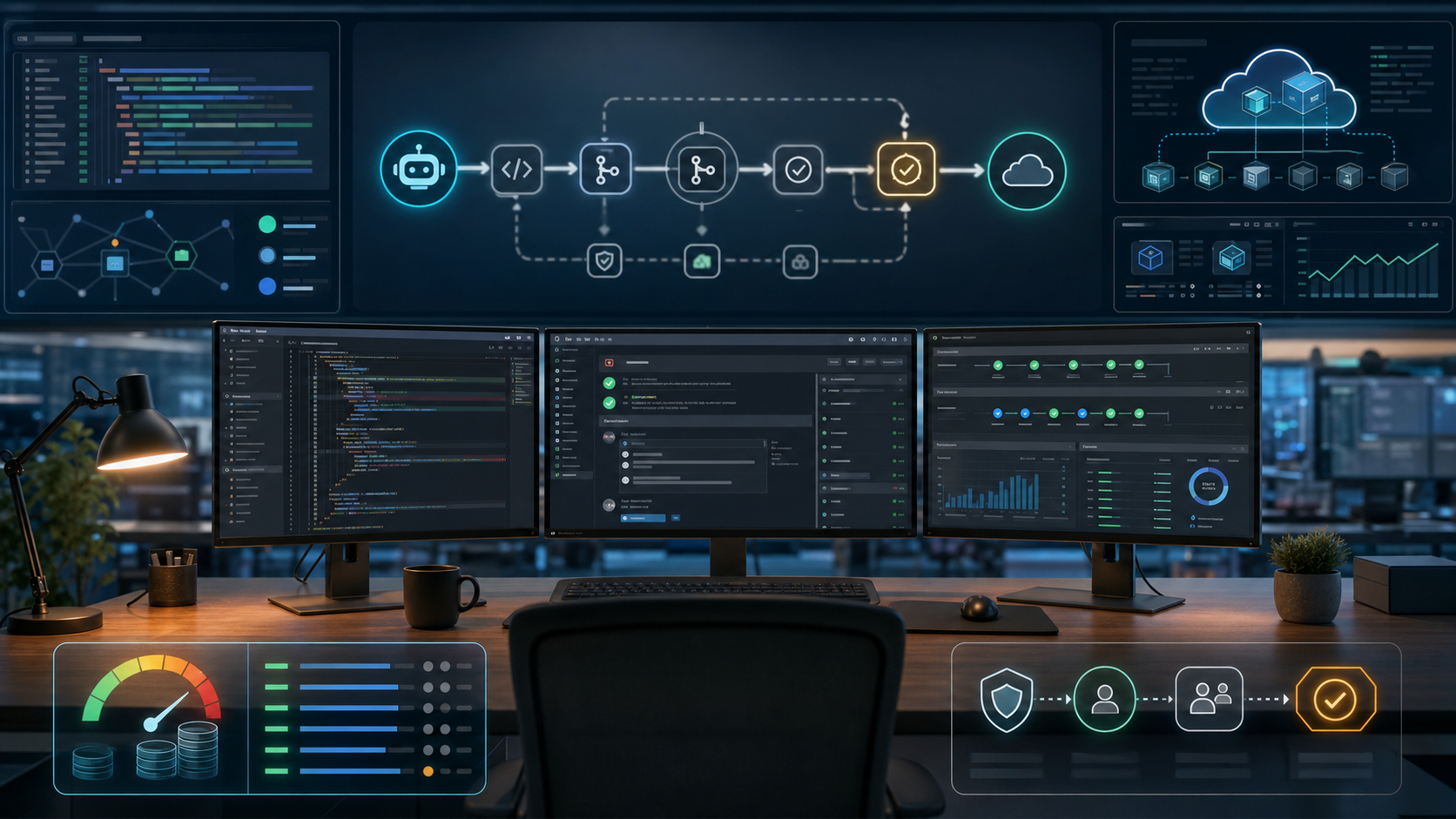
The immediate impact is budget and control. Agentic coding workloads do not behave like one-shot chat prompts. They open files, inspect context, call tools, retry tests, summarize logs and sometimes run for many steps before a human reviews the result. A lower-cost Sonnet-tier model can make those loops more practical, but it also makes it easier for teams to create persistent background spend if they do not meter work by task, repository, environment and user.
Platform teams should treat model access the way they treat build runners and cloud credentials: scoped, observable and revocable. A coding agent that can use a terminal needs sandboxing, secret isolation, network rules, audit logs and a clear approval path before it can change infrastructure or deploy software. Existing LLMOps practices, retrieval controls from RAG systems, and CI policy gates from modern CI/CD tooling now belong in the same conversation.
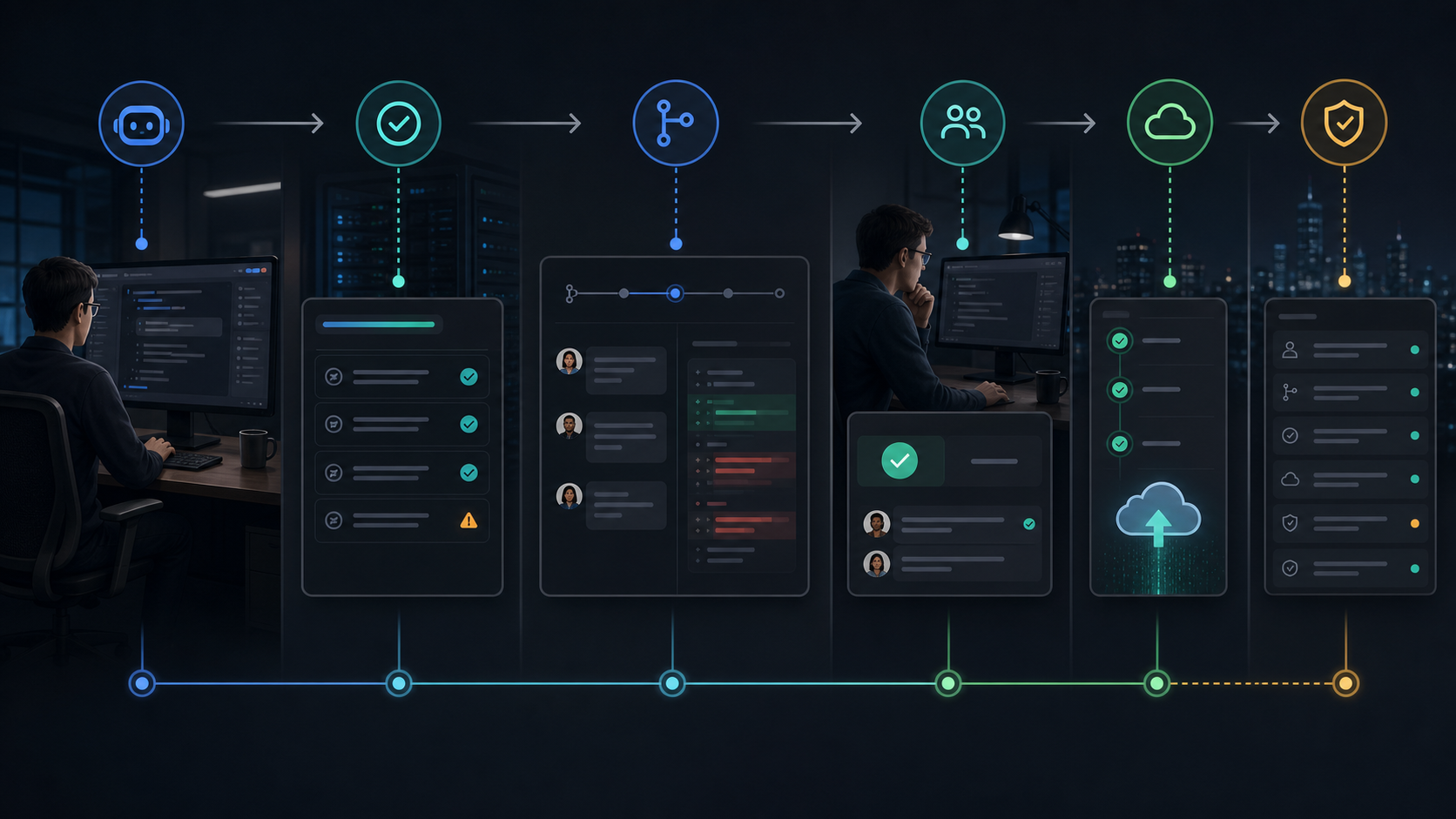
For developers, the safer adoption pattern is narrow and measurable. Start with code search, test repair, pull-request summaries, documentation updates, migration planning and non-production refactors. Move toward autonomous branches only after the team has evidence on pass rates, review burden, hallucinated changes, tool-call cost and rollback behavior. Better prompt engineering still helps, but operational guardrails matter more once an AI system can touch a repository and shell.

The Fable 5 Context
The Fable 5 redeployment is a reminder that access policy can change quickly when model capability and cyber-risk assessments change. Anthropic said the US government applied export controls to Fable 5 and Mythos 5 on June 12, forcing the company to restrict access to foreign nationals. Because the order took effect immediately and Anthropic said it lacked a real-time nationality verification method, it suspended access to both models for all users.
Anthropic said those controls were lifted on June 30 and that Fable 5 would return globally on July 1 across Claude Platform, Claude.ai, Claude Code and Claude Cowork. It also said access to Mythos 5 had been restored for a set of verified safety researchers and external testers. The important signal for engineering leaders is not only that access returned, but that frontier model deployment can now involve export-control questions, cyber-safety classifiers, cloud-provider enablement and external testing in the same release cycle.
What Remains Uncertain
There are still open questions that teams should not gloss over. Introductory token pricing does not automatically translate into lower total spend if agents take more steps, use larger context windows or retry failed tool calls. Stricter cyber classifiers can reduce misuse risk but may also create false positives in legitimate debugging work. And benchmark improvements do not guarantee safe performance inside a messy monorepo, a production incident channel or a privileged cloud account.
The balanced takeaway for GravityDevOps readers is clear: Sonnet 5 may lower the barrier for practical AI-assisted delivery, but the winning teams will not simply turn on autonomy everywhere. They will benchmark real tasks, set budgets, keep humans in review loops, log every tool action, and connect AI agents to the same security and reliability controls that already govern production software.
Sources
This report is based on Anthropic’s Sonnet 5 announcement, Anthropic’s Fable 5 redeployment note, Anthropic platform rate-limit documentation, TechCrunch, InfoWorld and The Guardian. Related GravityDevOps background: What is Generative AI?, What is LLMOps?, and Prompt Engineering for Developers.


