

MUMBAI, July 5, 2026, 9:40 p.m. IST – Google Cloud has added a remote Model Context Protocol server to Gemini Enterprise Agent Platform, giving platform teams a managed gateway for connecting AI agents to enterprise tools instead of scattering local connectors across developer machines and AI clients.
The announcement, detailed in a Google Cloud post and accompanying product documentation, matters because MCP is quickly becoming the connector layer for agentic AI systems. For developers and DevOps teams, the question is shifting from whether an agent can call a tool to who owns identity, permissions, audit trails, and rollback when it does.
What Google confirmed
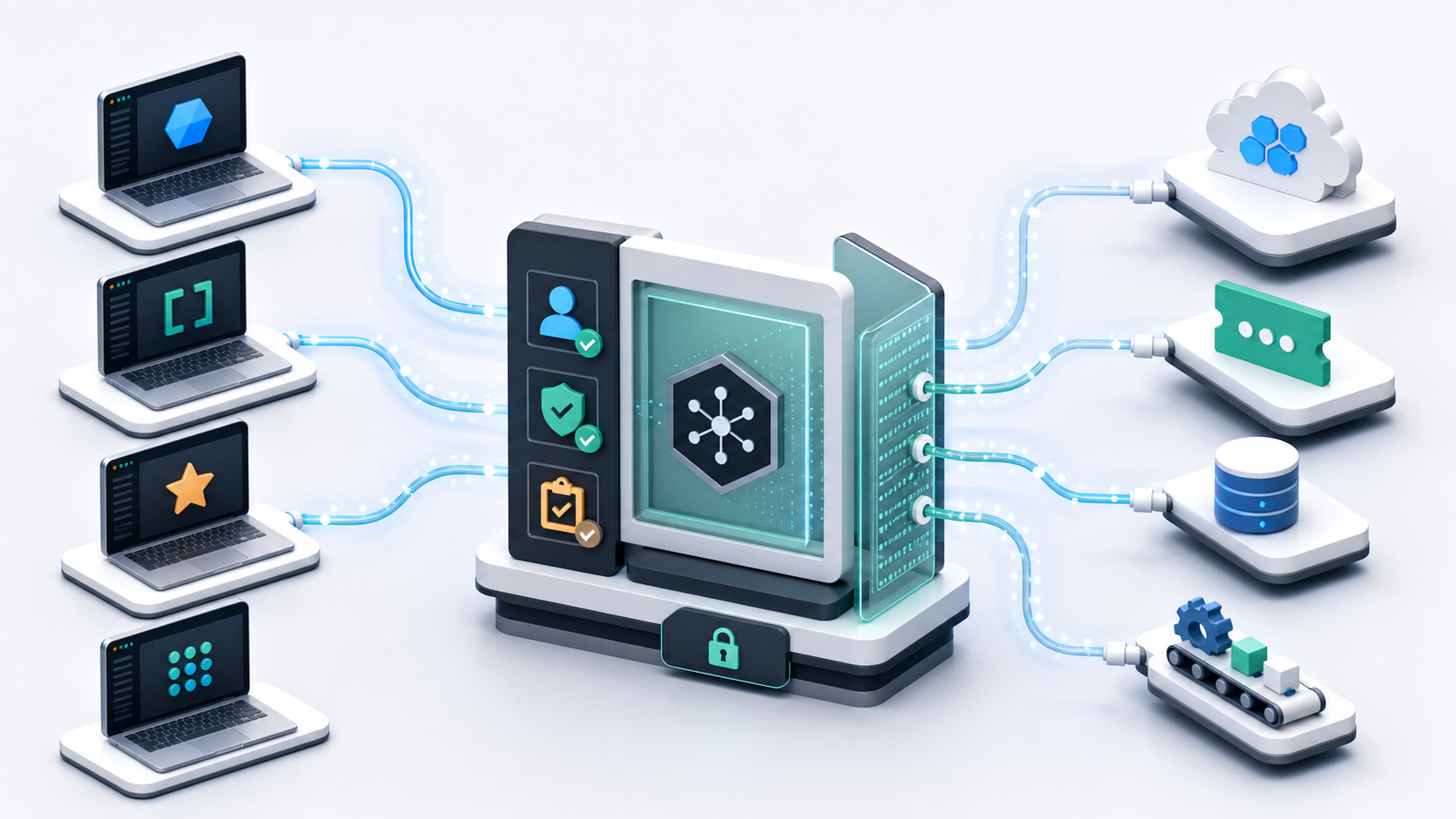
Google Cloud says the remote MCP server lets MCP-compatible clients connect to agents running in Gemini Enterprise Agent Platform. That is an important operational change: agent tools can be exposed from a cloud-managed environment rather than configured separately on each workstation, IDE, or local agent host.
The company is positioning the server as a bridge between enterprise AI agents and the broader MCP ecosystem. The MCP specification defines a common client-server pattern for AI applications to discover and use external tools, resources, and prompts. Google’s implementation brings that pattern into an enterprise agent platform where access can be governed centrally.
The confirmed development is not a new foundation model and it is not a replacement for application release controls. It is infrastructure for agent connectivity. That distinction is exactly why the update is relevant for cloud and platform teams: the risk moves from prompt design alone into service accounts, network reachability, tool permissions, and observability.
Why it matters now
Agentic coding and operations tools are moving from chat windows into delegated workflows. A developer might ask an assistant to inspect an incident, query a deployment, open a ticket, update a runbook, or summarize a pull request. Each of those actions needs trusted access to systems that were not originally designed for autonomous agents.
Local MCP servers helped prove the pattern because they were easy to run during experiments. They also created familiar enterprise problems: inconsistent configuration, unclear ownership, hard-to-review tool exposure, and limited visibility into what an agent was allowed to call. A managed remote server gives platform teams a more defensible control point, provided they configure it with least privilege and audit in mind.
For GravityDevOps readers, the practical news is not that every AI assistant should get more access. It is that the access plane for AI agents is becoming part of cloud platform engineering. Teams already investing in LLMOps, prompt engineering discipline, and retrieval-augmented generation now have to add agent tool governance to the same roadmap.
Impact for developers and DevOps teams
The biggest near-term impact is standardization. If an organization can expose approved tools through a remote MCP endpoint, developers do not need to rebuild the same connectors for every AI client. That can reduce duplicated integration work and make it easier to rotate credentials, update permissions, and retire unsafe tools.
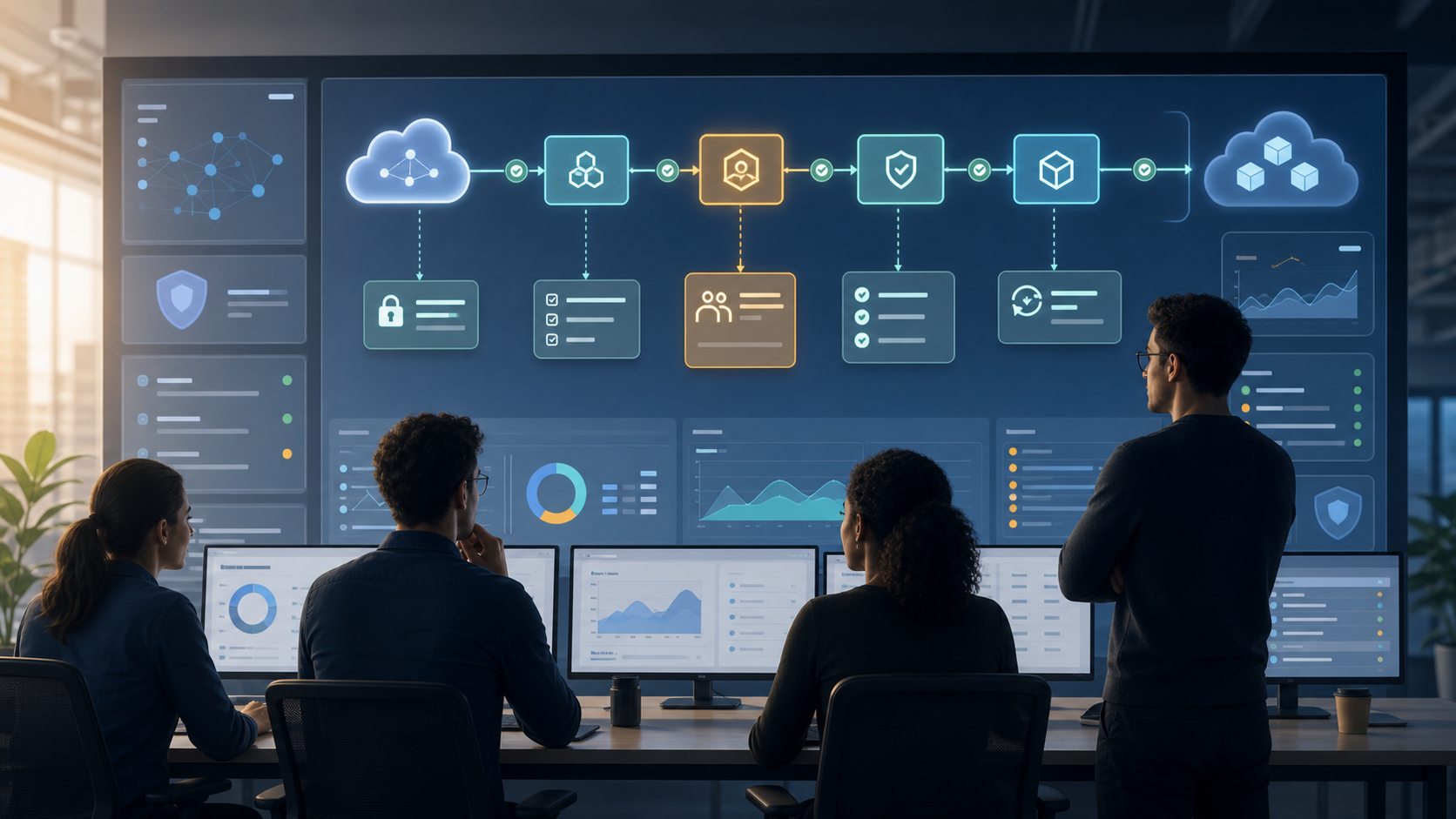
The second impact is policy. Platform teams should treat remote MCP access like any other production integration. That means separating human and agent identities, mapping tools to roles, logging agent calls, requiring explicit approval for write actions, and testing failure behavior before agents touch deployment or incident-response paths.
The third impact is vendor architecture. The update signals that cloud providers are likely to compete not only on model quality, but on the managed agent infrastructure around models: connectors, identity, observability, and enterprise controls. That is a different buying decision than choosing a chatbot.
What remains uncertain
Google’s announcement does not by itself settle how organizations should approve every tool an agent can reach, how deeply security teams should inspect agent traces, or how quickly regulated teams should adopt remote MCP in production. Those answers depend on each environment’s data sensitivity, identity model, and operational maturity.
There is also a portability question. MCP is an open protocol, but enterprise implementations can still differ in authentication, permission modeling, logs, and managed-service behavior. Teams evaluating Google Cloud’s approach should test real workflows across the AI clients they expect developers to use, not just a demo path.
What teams should do next
Platform teams should start with a small inventory: which internal systems an AI agent may read, which systems it may write to, and which actions should remain human-approved. The same review should cover CI/CD systems, ticketing, observability tools, source repositories, secrets stores, and production data access. GravityDevOps readers comparing delivery platforms can pair this review with their existing CI/CD tool governance and MCP architecture planning.
A sensible first deployment is read-only. Let agents retrieve runbook context, summarize incidents, or inspect non-sensitive telemetry before allowing write operations such as changing tickets, triggering deployments, updating infrastructure, or modifying cloud resources. The safer path is to prove logging, permissions, and rollback first.
Reader questions
Does this replace CI/CD automation? No. Remote MCP gives agents a standardized way to reach tools. It does not replace pipelines, approvals, environment promotion rules, or release audits.
Can any AI client use it? Google frames the server around MCP-compatible clients. In practice, teams should validate each client, its authentication path, and its logging behavior before allowing production access.
Is this only a Google Cloud story? The immediate announcement is from Google Cloud, but the broader shift is industry-wide: AI agents need governed tool access, and platform teams will be asked to own that access just as they own other automation layers.
Sources
This report is based on Google’s remote MCP server announcement, Google’s Agent Platform remote MCP documentation, and the public Model Context Protocol specification.


