

NEW DELHI, July 2, 2026, 10:23 a.m. IST – Google has moved a fresh set of Gemini media models into developer channels, giving application teams a faster image model, a preview video model and a clearer cost basis for building AI-generated media into products rather than one-off creative experiments.
The company said on June 30 that Nano Banana 2 Lite, formally Gemini 3.1 Flash Lite Image, is available in Google AI Studio, the Gemini API and Gemini Enterprise Agent Platform. It also made Gemini Omni Flash available to developers for video generation and conversational editing through Google AI Studio, the Gemini API and Gemini Enterprise Agent Platform.
The announcement matters for GravityDevOps readers because the bottleneck in many generative AI deployments is shifting from prompt quality alone to operational design: latency budgets, API cost controls, review workflows, storage, watermarking, abuse monitoring and release governance. Media generation is becoming another production workload that platform teams will have to measure, sandbox and audit.
What Google confirmed
In its June 30 announcement, Google described Nano Banana 2 Lite as its fastest and most cost-efficient Gemini Image model, designed for high-throughput pipelines where speed and scale are primary constraints. Google said the model delivers text-to-image outputs in about four seconds and is aimed at rapid visual drafting, prototyping and high-volume workloads.
Google’s Cloud AI blog framed the release as an addition to the Gemini Enterprise Agent Platform. That is significant because it positions the models not just as consumer-facing creative tools, but as services that enterprises can embed into agentic workflows, commerce systems, marketing pipelines and internal creative operations.
Gemini Omni Flash is the video side of the update. Google says the model supports text, image and video inputs for video generation and conversational editing. The company says teams can use it for tasks such as relighting scenes, swapping objects or styles, and generating video outputs with synchronized text and action. Google also says Omni Flash is in public preview for developers, which means teams should expect limitations and possible changes before treating it as a stable dependency.
Pricing is part of the news. Google’s announcement lists Nano Banana 2 Lite at about $0.034 per 1K-resolution image, while the Gemini API pricing page lists Gemini 3.1 Flash Lite Image at $0.0336 per 1K-resolution image on the paid standard tier and lower batch pricing for suitable jobs. Google says Gemini Omni Flash is priced at $0.10 per second of video output.
Why developers should care
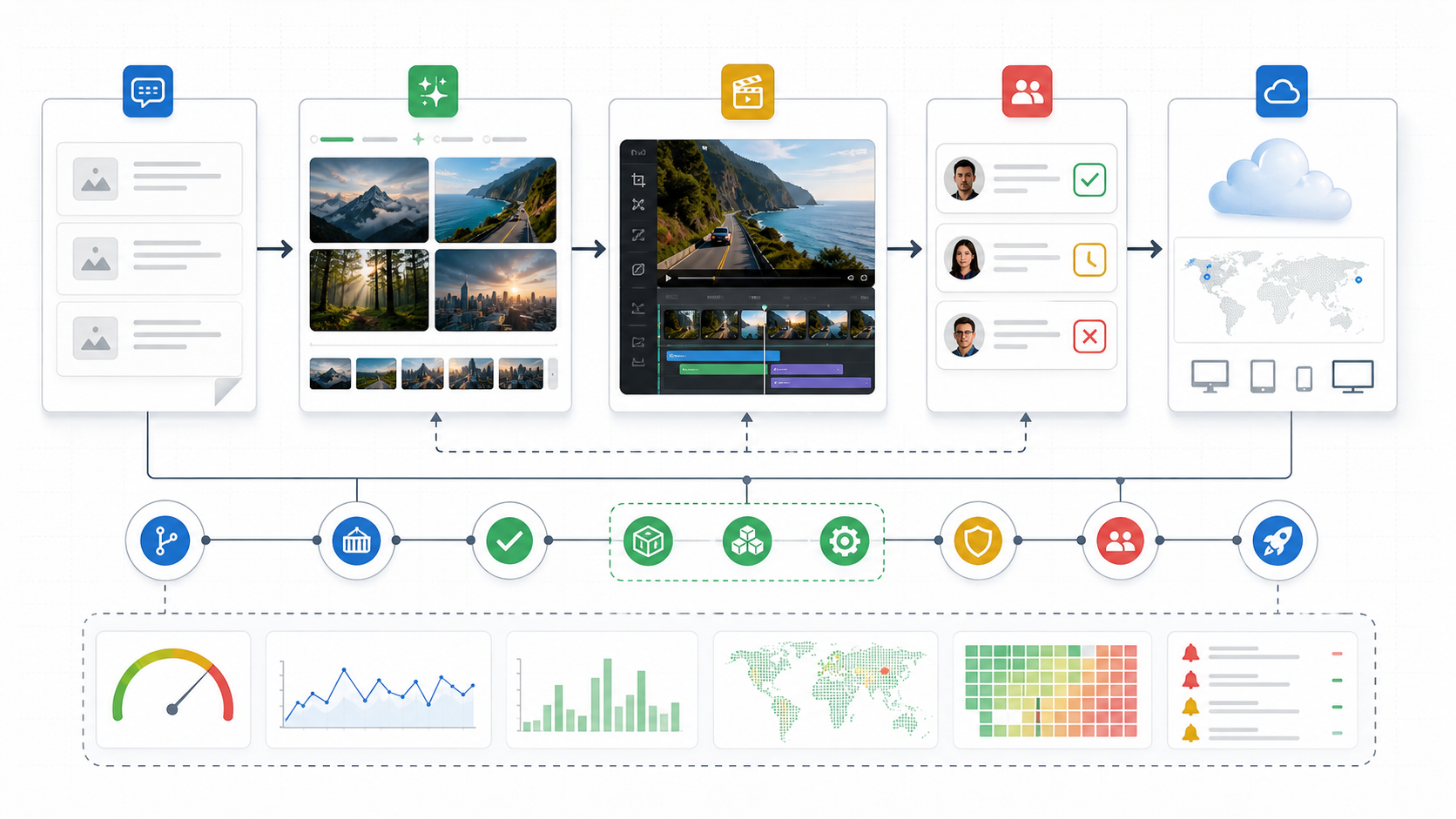
The practical shift is that developers can now chain rapid image generation and video generation in a single workflow. Google says Nano Banana 2 Lite can create a fast reference image, which can then be passed to Gemini Omni Flash for animation or video editing. The company points to its Interactions API as a way to keep session history and context for multi-turn media workflows.
That pattern is relevant far beyond marketing teams. A product team could generate app-store imagery and short product clips from approved design inputs. A cloud provider or SaaS team could create localized release-note visuals. A support organization could produce short visual explainers from knowledge-base content. A platform engineering team could offer these capabilities through internal tooling with quotas, approval steps and logging.
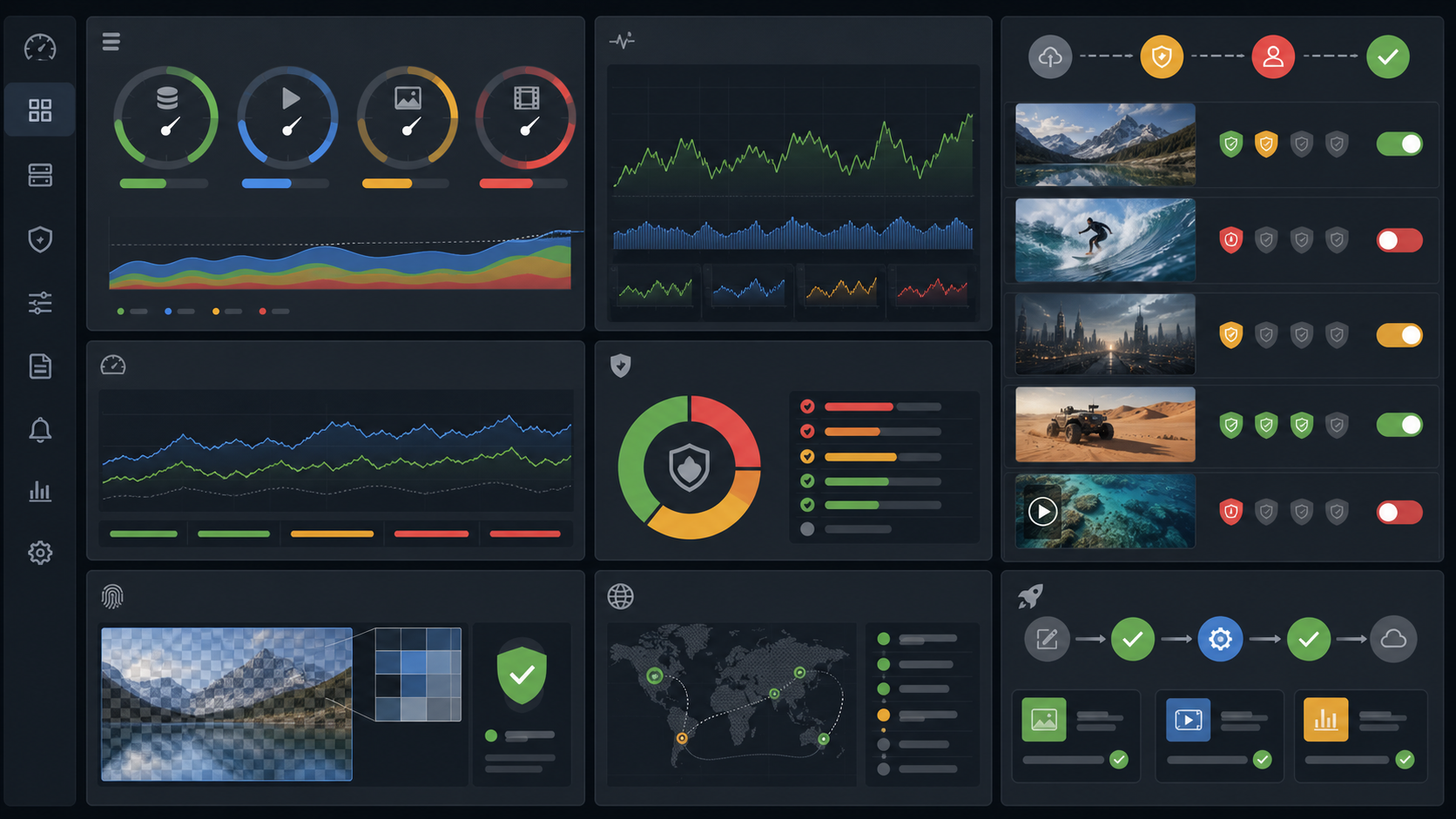
But the DevOps work is not optional. Teams that expose media generation to employees or end users need the same controls they would apply to other AI services: identity-aware access, environment separation, prompt and output logging where legally appropriate, budget alerts, content review, data-retention rules and rollback plans. For teams formalizing these practices, GravityDevOps has background guides on LLMOps, prompt engineering for developers and CI/CD tooling.
The technical context
Google’s latest model docs describe Nano Banana as the Gemini API’s native image generation family. The image generation documentation lists Nano Banana 2 Lite as the efficiency-focused option for velocity and scale, while noting that it is not optimized for multiple reference inputs or multi-turn sequential editing. That detail matters when architects decide whether to use the Lite model for low-latency drafts or a heavier model for more controlled image-editing workflows.
The same release sits alongside another June update for agent builders. Google said on June 24 that computer use is now built into Gemini 3.5 Flash, allowing agents to see and act across browser, mobile and desktop environments. Google’s July 1 AI roundup grouped that computer-use update with Nano Banana 2 Lite and Gemini Omni Flash, reinforcing the company’s broader push toward agentic and multimodal application workflows.
Limits and open questions
Google’s own announcement lists current Gemini Omni Flash limitations, including 10-second video generations, no audio-reference upload support in the Gemini API for the model, and imperfect handling of some video-reference cases. Those constraints make the release useful for pilots and production-adjacent workflow design, but they also argue against blind migration of business-critical video pipelines.
Another caveat is that vendor latency and pricing claims need to be tested against real workloads. A four-second image generation target may be enough for an interactive prototype but too slow for some synchronous user flows. Video pricing is easier to estimate per second, but total cost depends on retries, failed generations, review loops, storage, CDN delivery and the number of variants created before approval.
There is also a provenance angle. Google says Nano Banana 2 Lite and Gemini Omni use SynthID watermarking, and the company has been expanding verification tools across Gemini, Chrome and Search. That is useful, but teams still need internal policies for disclosure, approval and auditability, especially when generated media is used in customer-facing product pages, ads, support content or training materials.
What teams should do next
For developers, the immediate action is evaluation rather than full adoption. Test the API with realistic prompts, assets and failure cases. Measure latency, output variance, review effort and cost per approved asset, not just cost per generation. If the model is exposed through internal tools, wrap it with role-based access, prompt templates, budget limits and a human approval path for external publishing.
For DevOps and cloud teams, the release is another reminder that AI capability is arriving as managed APIs and platform features, not only as models that data science teams host themselves. That makes procurement, observability, incident response and governance part of the AI roadmap. The teams that make those foundations boring and reliable will be in a better position to use faster media models without creating a shadow IT problem.
Brief FAQ
Is Nano Banana 2 Lite generally available? Google Cloud describes Nano Banana 2 Lite as generally available in its June 30 post, while Google’s developer announcement says it is available in Google AI Studio, the Gemini API and Gemini Enterprise Agent Platform.
Is Gemini Omni Flash production-ready? Google describes Gemini Omni Flash as a public preview for developers. That makes it appropriate for evaluation and controlled pilots, but teams should review limitations, regions, rate limits and change risk before depending on it for critical workflows.
What is the DevOps takeaway? Treat generative media like any other AI-backed production service. Put it behind access controls, logging, budget limits, review gates and content provenance policies before opening it broadly inside an organization.
Sources
This article is based on Google’s June 30 Gemini media model announcement, the Google Cloud AI release note, Google’s Gemini API documentation and pricing pages, Google’s July 1 AI roundup, Google’s Gemini 3.5 Flash computer-use announcement, and secondary coverage from TechCrunch.


