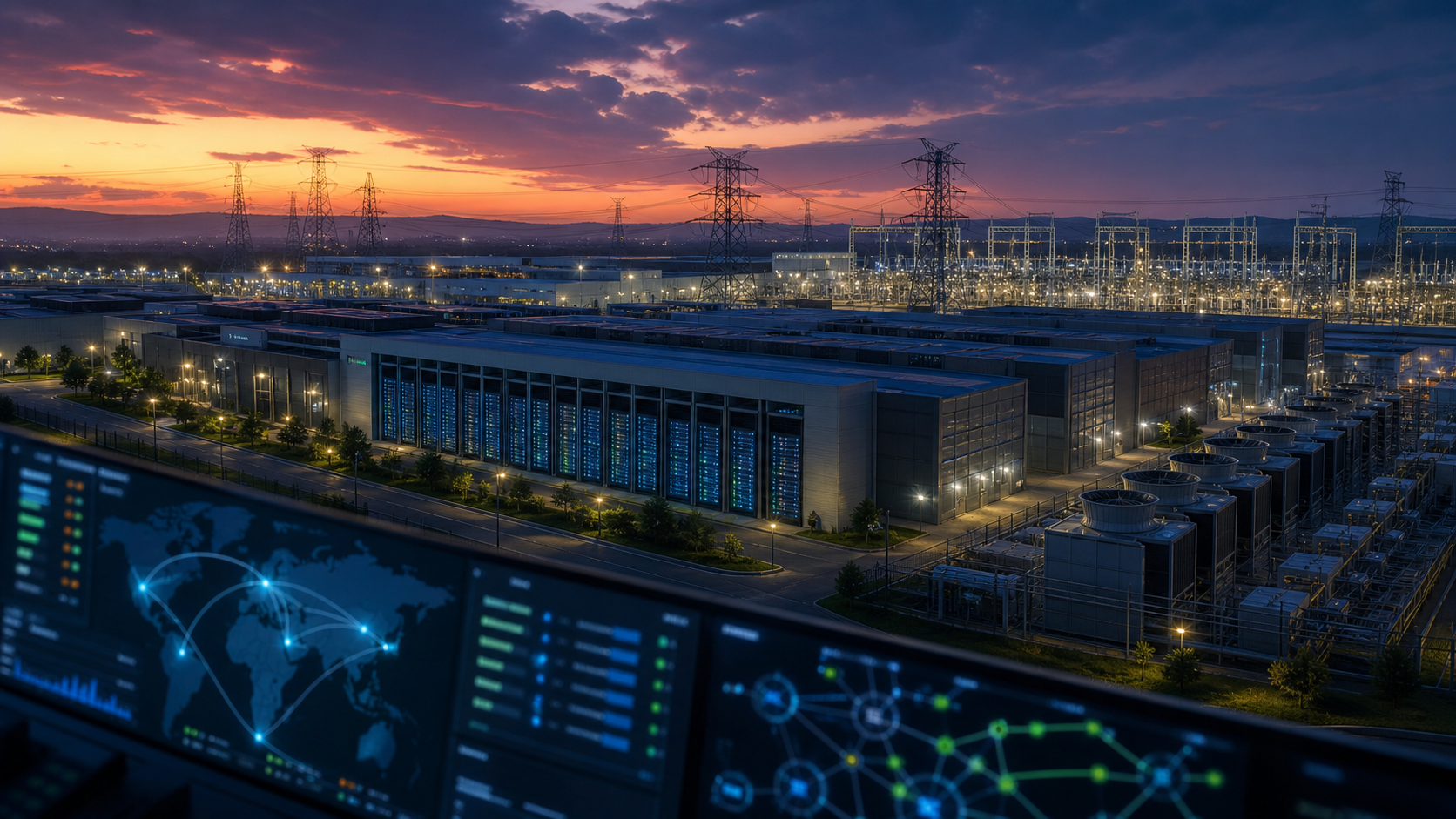

NEW DELHI, July 6, 2026, 11:57 p.m. IST – TeraWulf said Monday that Anthropic has signed a 20-year lease for a purpose-built AI infrastructure campus in Hawesville, Kentucky, a deal that would give the Claude maker access to about 401 MW of critical IT load as capacity comes online in phases from late 2027 into early 2028.
The announcement is not a model launch or a developer-tool release. For engineering leaders, that is the point. The biggest AI story of the day is about capacity: who can secure power, data center space, cooling and operational control before enterprise demand for AI agents, code assistants and model-serving workloads outgrows the assumptions behind current cloud plans.
What TeraWulf Confirmed
In a July 6 Form 8-K, TeraWulf said its Raylan Data subsidiary entered into a 20-year lease with Anthropic for high-performance computing operations at the Justified Data Campus in Kentucky. The filing says the leased capacity is expected to be delivered in phases beginning in late 2027 and concluding in early 2028, with Anthropic’s rent obligations beginning as premises are delivered.
TeraWulf’s accompanying press release said the lease is expected to generate about $19 billion of contracted revenue over the initial term and is expected to be supported by investment-grade credit. The company also announced a separate transaction to sell its 50.1% interest in the Abernathy Joint Venture to a Fluidstack-led buyer group, monetizing what it described as roughly $450 million of invested capital.
Coverage from Data Center Dynamics and MarketWatch independently reported the same core terms: a 20-year Anthropic lease, a Kentucky AI campus, roughly 400 MW of planned capacity and a ramp beginning in the second half of 2027. The public confirmation reviewed for this article comes from TeraWulf’s filing and press materials; Anthropic had not published a same-day newsroom item on the lease at publication time.
Why This Matters Now
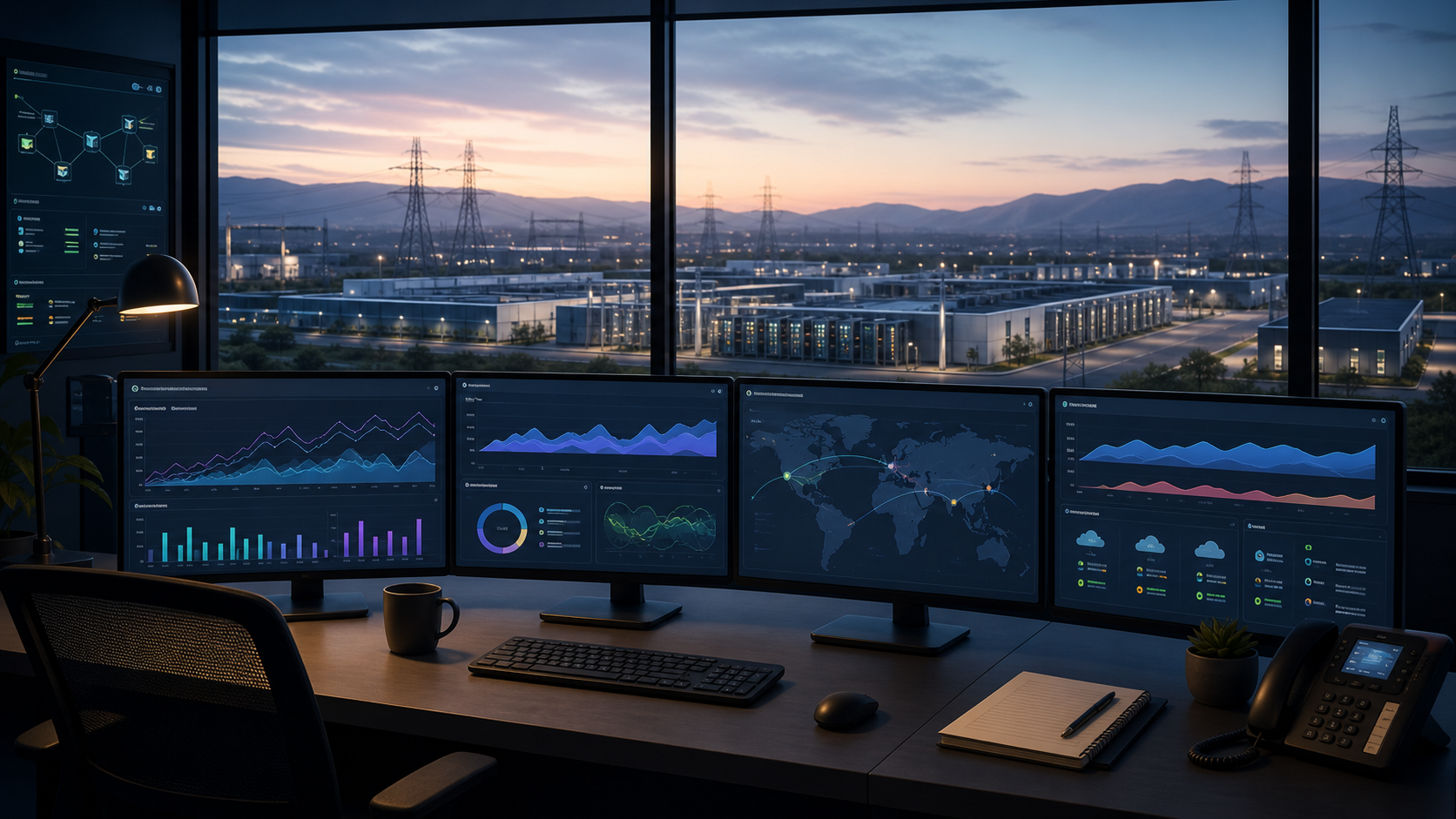
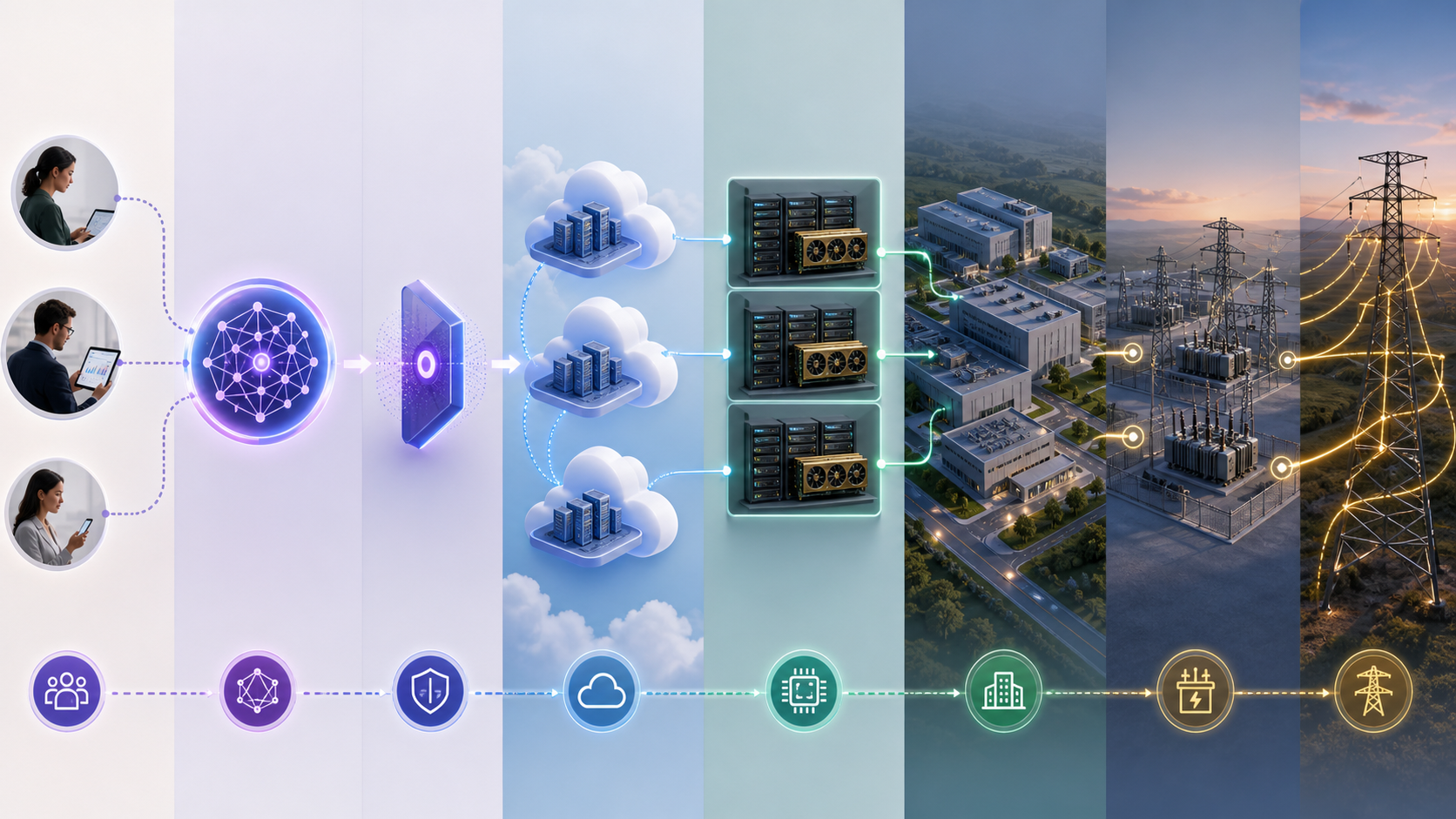
The practical takeaway for developers and DevOps teams is that AI availability is becoming a supply-chain and infrastructure issue, not only an API integration issue. When a frontier model provider signs long-duration power-backed capacity deals, it signals that rate limits, regional availability, model latency and product tiers may depend as much on energy and campus execution as on software releases.
The timing also matters. The planned capacity is not immediate; it is aimed at 2027 and 2028. That means AI providers are already reserving the infrastructure needed for workloads that enterprises are still piloting today. Platform teams building internal copilots, agentic workflows or retrieval-heavy systems should expect procurement, region strategy and capacity controls to become part of normal AI architecture reviews.
Technical Background
A 401 MW critical IT load figure refers to the power available for computing equipment and directly supporting infrastructure, not a simple count of GPUs. In practice, useful model capacity depends on accelerator supply, networking, storage, cooling design, power redundancy, deployment region, workload mix and the efficiency of the models being trained or served.
The International Energy Agency has warned that data center electricity demand is growing quickly, with AI accelerating the use of high-performance accelerated servers. Its Energy and AI analysis says global data center electricity consumption was about 415 TWh in 2024 and could roughly double by 2030 in its base case. The same report notes that data centers concentrate demand in specific locations, which can make grid integration harder even when their global electricity share remains limited.
Anthropic has already framed power as a policy and customer-trust issue. In February, the company said it would cover certain electricity price increases linked to its data centers, including grid-upgrade costs and demand-driven price effects where applicable. That earlier commitment makes today’s lease relevant beyond compute expansion: it shows why AI infrastructure deals now sit at the intersection of cloud strategy, grid planning and public accountability.
Impact For Developers And Platform Teams
For teams putting AI into production, the lesson is to design for capacity uncertainty. That means treating model access like any other external dependency: define fallback models, monitor latency and quota errors, budget for regional routing, and avoid hard-coding one model provider into critical workflows without an exit path.
It also changes how teams should think about LLMOps. Evaluation, observability and deployment pipelines need to capture not just output quality, but also availability, cost-per-task, context-window pressure and provider-specific throttling behavior. Teams running retrieval-augmented generation should test degraded modes when a preferred model is unavailable or too expensive for peak traffic.
For CI/CD and platform owners, AI capacity planning is likely to become another production readiness check. Agentic coding tools, automated incident analysis and AI-assisted security triage can create bursty demand. Those workflows should be governed like other production services: staged rollouts, rate controls, human escalation paths and clear audit trails. GravityDevOps readers comparing delivery platforms can connect this with broader automation planning in the CI/CD tools guide.
Developers using AI at the application layer should also keep prompt and context discipline in view. Better prompts and smaller retrieval payloads are not just quality improvements; they can reduce token spend and pressure on model capacity. The same operational discipline behind prompt engineering for developers becomes more valuable as infrastructure costs become more visible.
What Remains Uncertain
The lease is a major capacity signal, but it is still tied to future execution. TeraWulf’s own filing lists risks around timely and cost-effective campus development, power availability, financing, permitting, cybersecurity, equipment failure and broader economic conditions. Those caveats matter because the engineering benefit for Anthropic customers depends on the campus being delivered as planned and integrated into the provider’s serving and training strategy.
It is also too early to say how this specific campus will affect Claude pricing, enterprise availability or developer rate limits. Large infrastructure commitments can improve supply, but they do not automatically translate into lower prices or universal access. Model demand, chip supply, energy costs and product strategy will all shape the outcome.
Bottom Line
Today’s Anthropic-TeraWulf news is best read as another sign that enterprise AI is becoming a physical infrastructure business. Developers will still experience AI through APIs, SDKs and product interfaces, but the reliability of those experiences increasingly depends on power contracts, data center delivery and regional capacity planning.
For GravityDevOps readers, the action item is straightforward: treat AI model access as a production dependency with measurable capacity, resilience and cost controls. The teams that build those controls early will be better prepared as AI moves from pilots into everyday delivery pipelines.
Sources
This article is based on TeraWulf’s July 6 Form 8-K, its press release filed as Exhibit 99.1, reporting from Data Center Dynamics and MarketWatch, the International Energy Agency’s Energy and AI analysis, and Anthropic’s earlier statement on covering electricity price increases from its data centers. For background on enterprise AI adoption, see GravityDevOps’ generative AI guide.


